AI bedtime story video generator
Published · Updated · written by a team running real multilingual faceless channels
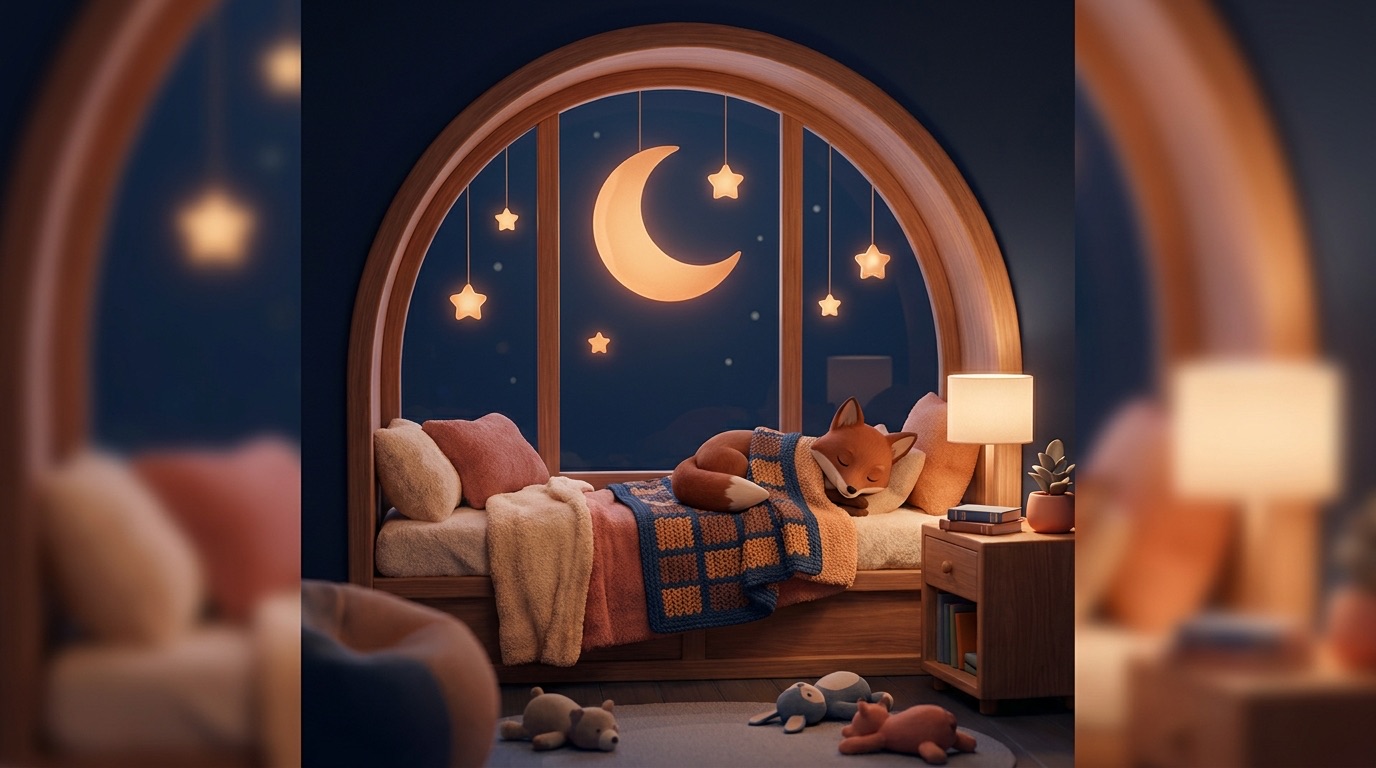
What is an AI bedtime story video generator?
Picture the opposite of a high-energy YouTube video. You hand it a written bedtime story and it gives back a finished narrated video built to wind a young child down, not to grab attention. There's no sung track, just a soft voice reading slowly over calm imagery, and each scene holds on screen for several quiet seconds. Low energy, low stimulation, easy to fall asleep to. It's story to video, tuned for sleep instead of excitement. If you want a sung sleep track instead of a spoken story, that's the AI lullaby video maker.
How do you make a bedtime story video with AI?
The pipeline runs narration-first, in a single pass:
- Write the story. Provide or AI-generate a gentle narration script. Bedtime scripts are deliberately slow and a little repetitive, and longer is fine: about 2,000 characters makes roughly 3 minutes, so a sleep video is just a longer script.
- Voice it softly. The script is read by an ElevenLabs narrator you choose by language, gender and age, with previews. For bedtime you want a warm, unhurried voice, not a bright presenter.
- Time and storyboard. The narration is timed word by word, then split into a scene every few seconds, here you keep scenes long and few so the picture barely changes.
- Generate dreamy visuals. One consistent image per scene is generated sequentially (earlier scenes feed in as context, up to 5 reference images), in one of the 113 visual styles, you pick a soft, dreamy one.
- Animate gently and edit. Each scene is animated with a video engine (Kling 2.6 Pro by default, or Kling 3, Veo 3.1, Hailuo 2.3) at 720p or 1080p, then auto-edited, with optional quiet background sounds. If a step wobbles, the pipeline retries with adjusted prompts and shows you a generation report.
Compare this with the sung approach in our AI music video generator: bedtime stories use narration, not Suno music, which is what makes them calm rather than catchy.
What makes a good bedtime story video?
Three things, all about removing stimulation:
- Pacing. Slow narration, long pauses, and scenes that linger. Fast cuts wake a child up, so a good bedtime video changes its picture rarely and never jolts.
- Soft visuals. Muted colours, soft light, dreamy styles (watercolour, hazy night, gentle pastel). Avoid high contrast, bright reds, or busy detail.
- A calm voice. Low, warm, unhurried. The narrator is the single most important choice, which is why previewing ElevenLabs voices before you commit matters more here than in any other niche.
Done right, bedtime videos have unusually high watch time, parents leave them playing as a child drifts off, which is great for the algorithm even though the per-view payout is low.
Can you make bedtime stories in several languages?
Yes, and bedtime stories travel well because the calm tone is universal. You make the story once, then dub the finished video into 24 languages, 5 at a time, billed per minute per language, with any failed language automatically refunded. A single goodnight story becomes a sleep video for families in several countries.
The narrator's warmth and the dreamy visuals carry across every language, so a French “dodo” story and its English, Spanish or German versions all feel the same. This is how a small bedtime channel scales reach without re-shooting anything.
How do characters stay consistent across a long story?
A bedtime story can run many scenes, and nothing breaks the spell faster than the little fox or the sleepy moon changing face halfway through. TubeTube generates each scene sequentially and feeds earlier scenes back in as context (up to 5 reference images), so the same character keeps the same look from the first page to lights-out. For a long, slow story this matters even more than for a fast one, because the child sees each face for a long, quiet moment. Here's how character consistency works across scenes.
How much can a bedtime story channel make?
Bedtime is a low-RPM niche but a high-watch-time one, and the format is what makes the maths work. One run tops out around 10 minutes of calm story, and children frequently fall asleep with autoplay running through a whole playlist, so a single session racks up a lot of watched minutes even at rock-bottom rates. It is still made-for-kids, so under COPPA personalized ads are off and RPM is among the lowest on YouTube, and it swings by audience country. The play is long sleep-runtime plus retention, dubbed into several languages, rather than a high payout per view. For real, measured numbers, including why a low CPM country becomes an even lower RPM, see how much faceless YouTube channels make.
If you want lighter, more colourful kids stories with a story arc, look at the AI fairy tale video generator, it's the same pipeline tuned for telling a tale rather than for falling asleep. For sing-along or learning formats, see the AI kids song video generator and the AI educational kids video generator.
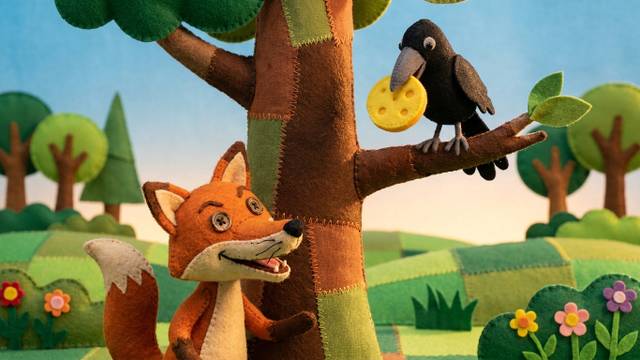
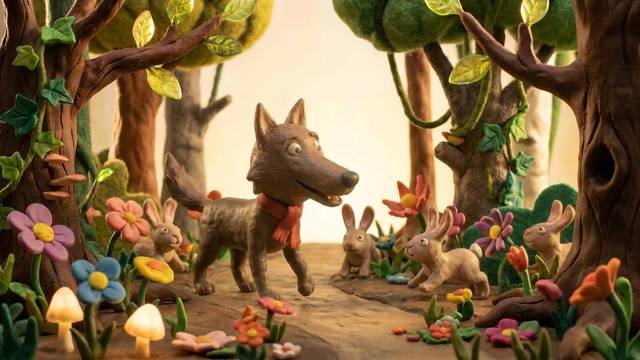
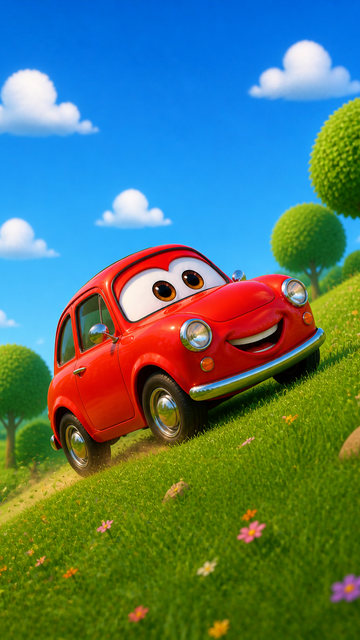
Real examples: narrated stories made with TubeTube
Finished videos from the community gallery, each with its full recipe (style, engine, voice, lyrics or script) that you can remix with your own words.



Frequently asked questions
What is the best voice for an AI bedtime story video?
A slow, soft, low-energy voice works best. In TubeTube you filter ElevenLabs voices by language, gender and age and preview each one, then pick a warm, unhurried narrator and let it read at a calm pace. Avoid bright, fast, presenter-style voices. They keep children alert instead of helping them drift off.
How long should a bedtime story video be?
Longer than a normal video, because bedtime channels live on watch time. Length is driven by the script, roughly 2,000 characters of narration makes about 3 minutes, and one run tops out around 10 minutes. Sleep channels get to their long runtimes by publishing a series of calm stories and letting a playlist run through the night.
Can I make AI bedtime stories for kids in other languages?
Yes. You can dub a finished bedtime story into up to 5 languages, priced per minute per language, and any language that fails is refunded. The calm narration and dreamy visuals carry over, so one story becomes a goodnight video for several countries at once.
Are AI bedtime story videos allowed on YouTube for kids?
Yes, but bedtime content is almost always made-for-kids, so you must set the audience correctly. Under COPPA that disables personalized ads and some features, which lowers RPM. Original, soothing, human-curated stories stay compliant. Mass-produced, near-identical uploads risk YouTube's inauthentic-content policy.
How do I stop the characters changing during a long story?
Use consistent, context-aware image generation. TubeTube generates each scene sequentially, feeding earlier scenes back in as context (up to 5 reference images), so the same child, animal or fairy keeps the same face and outfit from the first page to lights-out. See the character consistency page for how it works.
Do bedtime story channels actually make money?
They can, on volume and watch time, but kids RPM is among the lowest on the platform and swings hugely by audience country. A million calm minutes from a low-RPM geography pays far less than the same minutes from a Tier-1 country. Check real numbers before committing to the niche.