AI kids song video generator
Published · Updated · written by a maker running real multilingual kids song channels
What is an AI kids song video generator?
An AI kids song video generator takes your children's song lyrics and gives back a finished animated music video, sung and edited, without you ever opening a video editor. You write the words. It composes the song, draws the scenes, times everything to the beat and stitches the cut together. TubeTube was built for exactly this kind of work: nursery rhymes, counting songs, lullabies, original kids tracks. The maker runs real faceless kids song channels on the same pipeline, so it's tuned around what those videos actually need.
How do you make a kids song video with AI?
You make a kids song video with AI by writing the lyrics and letting the pipeline run from words to finished video in a single pass. Here is what happens on one run:
- Lyrics in. You write the lyrics for your song (a lullaby about a sleepy moon, a counting song about five little ducks, whatever the channel needs).
- Suno composes and sings. The lyrics become an actual sung track, melody and voice included, so you're not just narrating words over music.
- Word-by-word timing. The audio is transcribed and timed word by word, so scene changes land on the song's phrasing rather than on a fixed clock.
- Storyboard and consistent images. The song is broken into one scene every few seconds, and an image is generated per scene with the previous scenes as context, so the characters and world stay the same.
- Animate and assemble. A video engine animates each scene, the clips are assembled to match the song, optional background sounds are layered in, and you get a final video.
This is the same end-to-end flow described in our guide to making faceless YouTube videos with AI, applied to music instead of narration. If you want narrated stories rather than songs, see story to video.
Can it make nursery rhyme videos?
Yes, and nursery rhymes are the easiest thing to run through it. The classics are old enough to be public domain, so you paste your own version of the words and pick a soft 3D or storybook look. The rhyme comes back sung and animated like any other kids song. A sung run lasts between 1 and 5 minutes, which is about the natural length of a rhyme. You choose 16:9 for the main channel or 9:16 for Shorts before launching, and the 16:9 run also gets a generated YouTube thumbnail.
Can it sing in any language?
Yes, you can sing a kids song in any major language by writing the lyrics in that language, and the track is composed and sung in it. This is what makes the same channel idea work across markets: one rhyme, many languages. On top of that, a finished video can be dubbed into up to 5 languages at once, billed per minute per language, and if a language fails to render it's refunded automatically. So you can produce one English version and ship localized versions of the same video without rebuilding it scene by scene.
How do the characters stay the same across the whole song?
The characters stay consistent because scenes are generated sequentially, with each new scene aware of the ones before it, and you can pin up to 5 reference images to lock the same hero in place. That combination is what keeps the same face, outfit and colors from the first verse to the last chorus, instead of a new-looking character every few seconds. When a scene does drift, the pipeline doesn't just give up: it retries with adjusted prompts, falls back gracefully, and records every step in a transparency report so you can see what happened.
Character drift is the single biggest giveaway of low-effort AI kids content, and it's the fastest way to lose a toddler's attention. We go deep on how this works in AI character consistency. Because you can reuse reference images across videos, the same mascot can anchor an entire series of songs.
What visual styles can a kids song use?
A kids song can use any of the 113 visual styles in the catalogue, so you can match the tone of the song and keep a recognizable look across a channel. Common picks for children's songs:
- Soft 3D cartoon, the look most kids songs use
- Hand-drawn storybook and watercolor
- Paper-cutout and felt / craft textures
- Claymation-style and plush toy looks
- Flat 2D and bold preschool shapes
You choose one style per video and it holds across every scene, which is part of how a channel builds a consistent brand a parent recognizes at a glance.
How much does a kids song video cost?
A 2-3 minute kids song video costs roughly 800 to 1,400 credits, and a credit is about $0.011, so cost scales with the length of the song and the video engine you choose. The engines available include Kling 2.6 Pro by default, Kling 2.5 and Kling 3, Google Veo 3.1 in its Lite and Fast variants, Seedance 2 and Hailuo 2.3, at 720p or 1080p (Hailuo renders 768p). Prices per engine live in the app and the quote updates before you launch.
If you also make longer narrated content or non-song music videos, compare your options in the best AI long-form video generator and the AI music video generator.
The same pipeline also powers the quieter nighttime formats, the AI lullaby video maker and the AI bedtime story video generator, and learning content with the AI educational kids video generator.
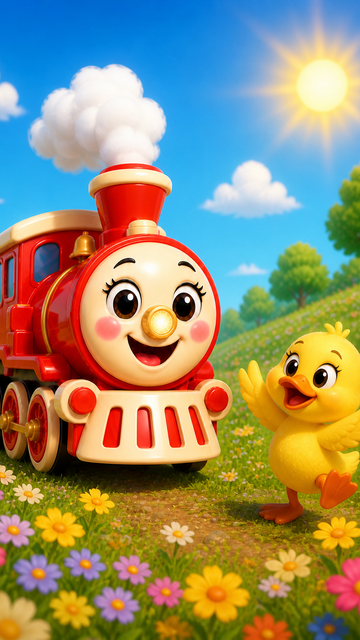
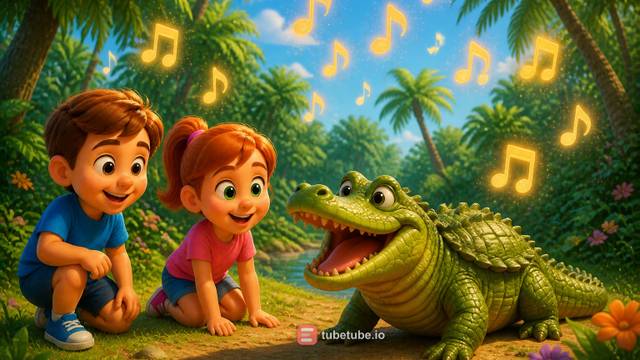
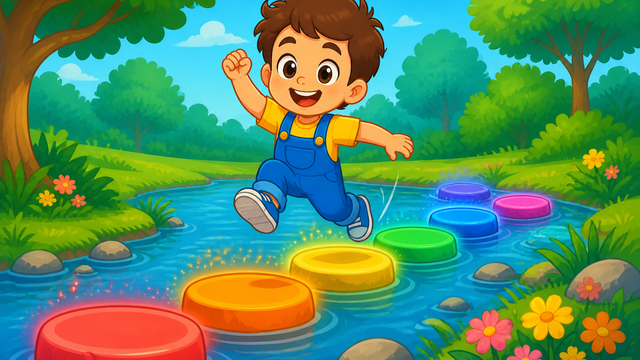
Real examples: kids songs made with TubeTube
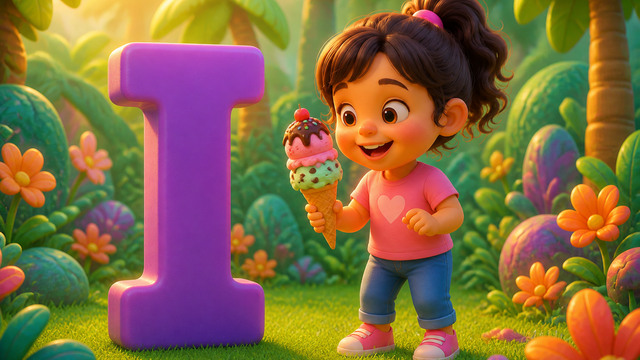
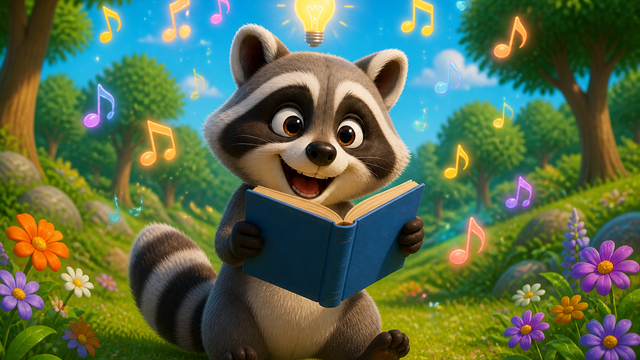
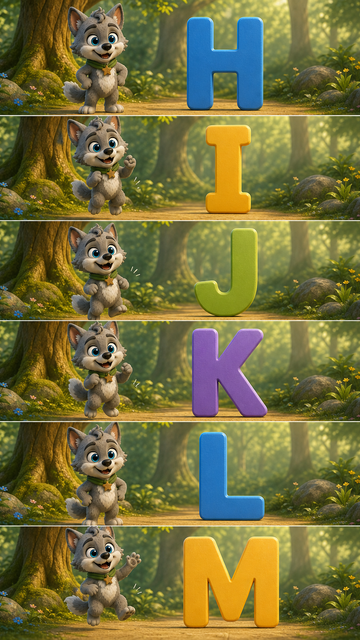
Finished videos from the community gallery, each with its full recipe (style, engine, voice, lyrics or script) that you can remix with your own words.
Frequently asked questions
What is an AI kids song video generator?
It turns written song lyrics into a finished, sung, animated children's video in one run. TubeTube has Suno compose and sing the lyrics, times one scene every few seconds to the music, generates a consistent character per scene, animates each scene, and assembles the final cut automatically.
Can I make nursery rhyme videos with it?
Yes. The classic nursery rhymes are public domain, so you paste your own version of the words and the pipeline sings and animates it like any other kids song. A sung run lasts between 1 and 5 minutes, which fits a rhyme, and you pick 16:9 for the main channel or 9:16 for Shorts before you launch.
Can it sing the song in any language?
Yes. Write the lyrics in the language you want and the song is composed and sung in that language. Separately, a finished video can be dubbed into up to 5 languages at once, billed per minute per language, and any language that fails to render is refunded automatically.
How do the characters stay the same across the whole song?
Scenes are generated sequentially, each one using the earlier scenes as context, and you can pin up to 5 reference images so the same character and world carry from the first verse to the last. If a scene drifts, the pipeline retries with adjusted prompts and logs every step in a transparency report.
How long a video does my lyrics make?
Roughly 2,000 characters of text produces about a 3-minute video. Shorter lyrics make a shorter video and longer lyrics simply add more scenes, since each run times the scenes to the actual length of the sung track.
Can I use my own song instead of writing lyrics?
Yes. You can upload your own mp3 and TubeTube builds the visuals around it, or upload a track and request a sung cover. A cover may be refused for copyright reasons, in which case nothing is charged beyond what was already produced.
How much does a kids song video cost?
Pricing is credit-based at about $0.011 per credit, and a 2-3 minute song runs roughly 800 to 1,400 credits depending on the video engine and resolution. Plans run $11, $49, $129 and $399 per month as of 2026, with 10% off annual billing. See the site for current details, since per-engine prices are set in the app. The credit ledger is transparent and refunds unused holds.