Best AI kids song video generators (2026): 7 tools compared
By Arsène Huot, founder of TubeTube · Published · Updated · capabilities checked on each vendor's official site on 23 September 2026
What a kids song video generator has to do
A nursery rhyme or preschool song video is a specific job. The song has to exist, sung, at full length. The same character has to appear in every scene, because a three-year-old notices when the bunny changes colour. The visuals have to follow the song, and the whole thing has to come out as one file you can upload, not thirty clips you stitch by hand. Most tools in this category can now produce the song as well, so the differences that matter are in the video: how long it can run, whether the cast stays the same, whether the words appear on screen, and how much control you get over the look. For traditional rhymes specifically (which ones are public domain, and what Suno does with their words), see the AI nursery rhyme video generator.
How do the AI kids song video generators compare?
✅ offered · 🟡 partial, or not documented on the official page · ❌ not offered. Checked on 23 September 2026.
| Tool | Composes the song | Uses your mp3 | Consistent characters | Full song length | Lyrics on screen | Kids styles | Free to start | Best for |
|---|---|---|---|---|---|---|---|---|
| TubeTube | ✅ | ✅ | ✅ | ✅ | ❌ | ✅ | 🟡 | Full multi-scene song videos with a recurring cast, your choice of engine and style |
| Atlabs | ✅ | ✅ | ✅ | ✅ | ✅ | ✅ | ✅ | The most kids-specific tool, with sing-along captions |
| Freebeat | 🟡 | ✅ | ✅ | ✅ | ✅ | 🟡 | ✅ | Music and video tools under one account |
| MagicLight | ✅ | ✅ | ✅ | 🟡 | 🟡 | ✅ | ✅ | Trying a kids song workflow on a free trial |
| MakeSong | ✅ | ✅ | ✅ | ✅ | ✅ | 🟡 | 🟡 | The song first, then a lyric or music video over it |
| Neural Frames | 🟡 | ✅ | ✅ | ✅ | ✅ | 🟡 | 🟡 | Musicians with a finished track who want fine visual control |
| Revid | ✅ | ✅ | 🟡 | 🟡 | ✅ | 🟡 | 🟡 | Lyric clips plus publishing to several social channels |
“Composes the song” means the tool writes and performs original music from your lyrics; Freebeat gets a 🟡 because it composes from a text prompt in a separate music generator, and Neural Frames gets a 🟡 because its workflow starts with uploading a song and we found no music generator on its site, though it does not say it cannot compose. “Uses your mp3” means it accepts a finished track. “Lyrics on screen” means sing-along text burned into the picture. “Free to start” means you can make something before paying; a 🟡 there is a limited start (TubeTube's welcome credits are not granted in every country, MakeSong gives one free lyric video, Neural Frames offers free standalone tools but paid plans only, Revid lets you start free before plans at $39 a month). Marks reflect what each vendor states on the page linked from its name. Pricing changes often, verify before deciding.
What TubeTube does, and where it loses
TubeTube is built around the full song video. You paste lyrics (or upload an mp3), pick a style from 113 (soft 3D render, claymation, paper cutout, watercolor storybook and the rest) and an engine from 14 (Kling 3, Veo 3.1, Seedance 2, Hailuo 2.3 among them), and choose 16:9 for the main channel or 9:16 for Shorts. Suno V6 sings the song, the audio is timed word by word, a scene is cut every few seconds, each scene image is generated with the earlier ones as context so the cast stays steady, and you get one edited video. The same pipeline has a narration mode for spoken stories, a narrated video can be dubbed into 24 languages, up to 5 per run (songs aren't dubbed: write the lyrics in the target language and Suno sings that version), and everything can be driven from the tubetube CLI and its public REST API. How the consistency works is in AI character consistency; the kids-specific walkthrough is in AI kids song video generator.
Where TubeTube loses today (honest)
No lyrics on screen. The words are sung, and each scene shows what is being sung, but nothing is written on the picture. Atlabs, Freebeat, MakeSong, Neural Frames and Revid all do sing-along text; if that is essential, they win this point outright. No permanent free tier. In most countries, new accounts get 1,000 credits at signup, valid for 7 days, with no card required; they aren't granted everywhere (in India, a one-off $4 pack of 1,000 credits replaces them). Downloads on those credits carry a small tubetube.io mark until any paid plan (from $22 a month) removes it. Atlabs, Freebeat and MagicLight all let you start free as well. Fewer kids-only templates. Atlabs has pages and styles built for young audiences; TubeTube has kids styles inside a general catalogue.
Watch the full video, lyrics and recipe →
TubeTube vs each kids song tool
Looking for an Atlabs, Freebeat, MagicLight, MakeSong, Neural Frames or Revid alternative? When each one wins, and when TubeTube does:
TubeTube vs Atlabs
Choose Atlabs when you want the most kids-specific tool. Its nursery rhyme page says it composes a full kids' song with melody and vocals from a rhyme you type, or takes your audio file or Suno link, then adds animated sing-along captions, with 20+ playful styles and a free start with no card. TubeTube wins when you want to pick the video engine yourself (14 of them, including Kling 3, Veo 3.1, Seedance 2 and Hailuo 2.3) and the look (113 styles), switch to a narrated story on the same pipeline (narrated videos can be dubbed into 24 languages, up to 5 per run; songs aren't dubbed) or drive everything from an API and CLI. Also check the plan: on Atlabs' pricing page, the music-to-video workflows (kids music included) and consistent cast start on the Pro plan, billed $348 a year, with videos of up to 5 minutes; the cheaper Lite plan ($180 a year) caps videos at 2 minutes.
TubeTube vs Freebeat
Choose Freebeat when you want music and video tools in one account. Its music generator composes songs with vocals from a text prompt (Suno, Stable Audio and MiniMax models), its video tools include lyric videos and a consistent-character mode (a "Character Bible" built from one photo, up to 2 characters, music videos of up to 6 minutes), and it gives 500 free credits at signup. TubeTube wins when you want the song and the video made in the same run from lyrics you wrote, a narrated story mode next to the sung mode, or to pick the video engine (14 of them) and the look (113 styles) yourself.
TubeTube vs MagicLight
Choose MagicLight when you want to try a kids song workflow on a free trial. Its Kids Songs page says you pick a musical style and lyrics to generate nursery rhyme music, that it can animate an audio track you bring, and that its characters stay consistent across scenes. TubeTube wins when you need documented specifics. MagicLight's page does not say which music model it uses, how long the song runs or whether lyrics can go on screen. TubeTube names its models (Suno V6 for the song, a choice of 14 video engines) and shows the exact credit quote before launch.
TubeTube vs MakeSong
Choose MakeSong when the song is what you mainly need. Lyrics-to-song is MakeSong's core product; its lyric video tool writes the words on screen over one looped video or image background (the first lyric video is free), and its AI music video generator promises consistent characters from reference images, lyric subtitles and videos of up to 5 minutes. TubeTube wins when you want a narrated story mode next to the sung mode (a narrated video can be dubbed into 24 languages, up to 5 per run), a choice of 14 video engines and 113 styles, or an API and CLI to automate a channel.
TubeTube vs Neural Frames
Choose Neural Frames when you already have the track and want fine visual control: audio-reactive visuals, a frame-by-frame editor, a choice of video models (Kling, Seedance, Runway), custom models trained on 10 to 20 of your images for consistent characters, and automatic lyric captions. TubeTube wins when you only have lyrics. Neural Frames starts from a song you upload (its first step is "Upload Music", with a Suno-to-video page for Suno tracks) and we found no music generator on its site; TubeTube writes and sings it with Suno V6 and builds the video in the same run. Neural Frames' pricing page lists paid plans from $26 a month billed annually ($39 monthly).
TubeTube vs Revid
Choose Revid when you run several channels and want publishing to TikTok, Instagram and YouTube and performance stats in the same tool. Its AI lyrics video generator also composes music and vocals from your lyrics and animates the words on screen. TubeTube wins when you publish full-length kids songs with a recurring cast: Revid's lyrics tool page does not document character consistency or a maximum song length, and its paid plans start at $39 a month.
Methodology
Seven tools that market themselves for kids songs, nursery rhymes or lyric videos, scored on the job described at the top: lyrics or song in, finished sung video out. Every mark was checked on 23 September 2026 on the official page linked from the tool's name in the table, plus Atlabs', Revid's and Neural Frames' pricing pages, Freebeat's consistent character page and MakeSong's AI music video generator; where a page does not state a capability, the mark is 🟡 and the text says so rather than guessing. TubeTube's figures come from its own product: 14 selectable video engines, 113 styles, plans at $22, $49, $129 and $399 a month, $0.011 per credit at the base rate, and a video cost measured on 246 real 2-3 minute videos. Correction: the first version of this page, published on 22 September 2026, said TubeTube was the only tool here that composes the song from lyrics. That was wrong: Atlabs, MagicLight, MakeSong and Revid do too, and the matrix, the answers and the comparisons were rewritten on 23 September. YouTube rules cited above come from its channel monetization policies and its made-for-kids audience settings. Vendors change plans and features often; re-check before committing a channel to any of them.
Real examples: kids songs made with TubeTube
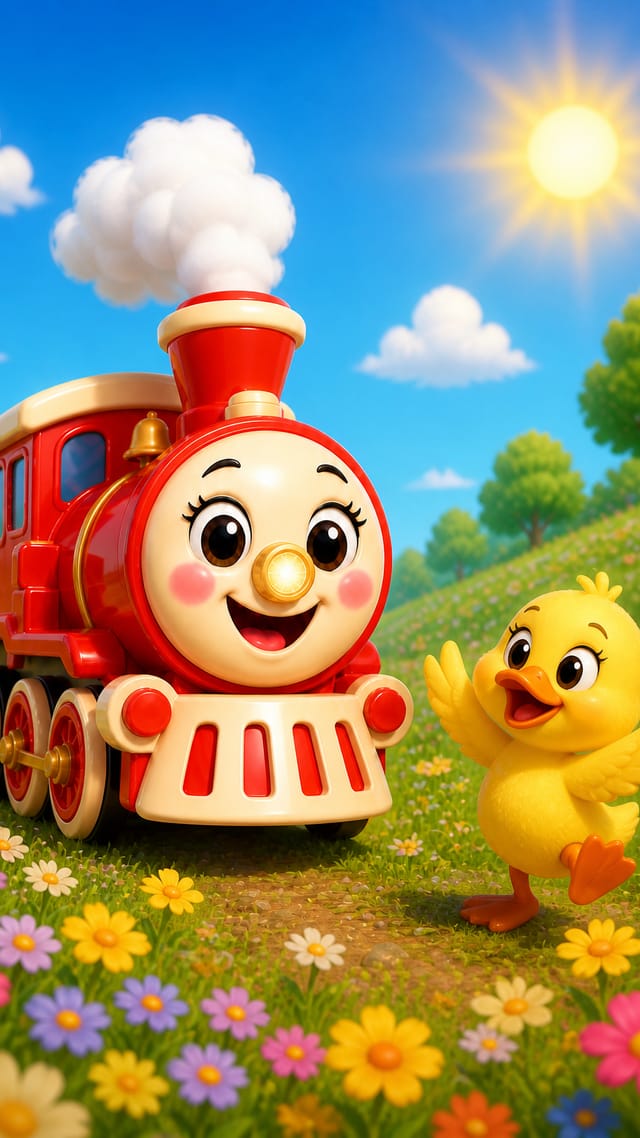
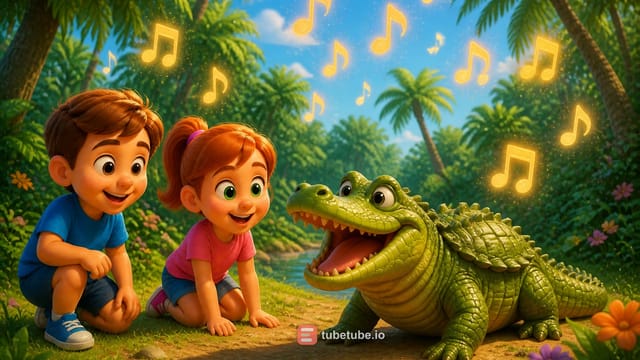
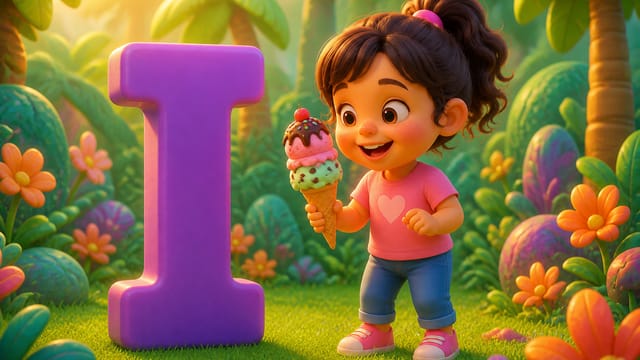
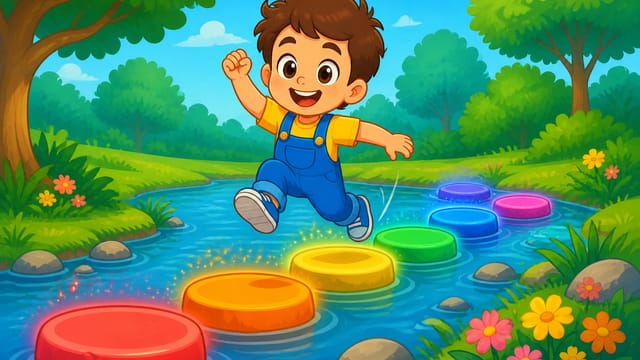
Finished videos from the community gallery, each with its full recipe (style, engine, voice, lyrics or script) that you can remix with your own words.

Frequently asked questions
What is the best AI kids song video generator in 2026?
It depends on what you need beyond the song, because most of the seven tools compared here can now compose one. Atlabs is the most kids-specific: it composes a kids' song from a rhyme you type, adds sing-along captions and offers 20+ playful styles. Neural Frames suits musicians who already have a track and want fine visual control. TubeTube suits channels that publish full songs with a recurring cast: it composes the song from your lyrics with Suno V6 (or uses your mp3), generates every scene in sequence with up to 5 reference images so the characters stay the same, and lets you pick among 14 video engines and 113 styles, in 16:9 or 9:16. TubeTube does not put lyrics on screen.
Which AI kids song video generators compose the song from lyrics?
As checked on each vendor's site on 23 September 2026: Atlabs, MagicLight, MakeSong, Revid (in its AI lyrics video generator) and TubeTube compose a song from lyrics you write. Freebeat composes songs with vocals from a text prompt in a separate music generator (Suno, Stable Audio and MiniMax models), then passes them to its video tools. Neural Frames starts from a track you upload; we found no music generator on its site. All seven also accept a song you already have.
Which tools put sing-along lyrics on screen?
Atlabs (animated sing-along captions), Freebeat (lyric videos), MakeSong (lyric video generator), Neural Frames (automatic lyric extraction and captions) and Revid (word-by-word lyric animations) do. MagicLight's kids song page does not say. TubeTube does not burn lyrics or subtitles into the video: the words are sung in the audio track and each scene illustrates what is being sung. If karaoke-style text is essential, pick one of the others or add captions in an editor afterwards.
Which AI kids song video generators keep characters consistent across scenes?
Six of the seven state it on their sites, as checked on 23 September 2026. Atlabs promises characters that look identical from first frame to last, Freebeat locks up to 2 characters from one photo with a "Character Bible", MagicLight says its AI keeps characters consistent across all scenes, MakeSong keeps characters consistent from reference images, and Neural Frames trains custom models on 10 to 20 of your images. TubeTube generates scene images in sequence with the earlier scenes as context and accepts up to 5 reference images, which also keeps a mascot identical across a series of videos. Revid's AI lyrics video page does not document cross-scene consistency.
Is there a free AI kids song video generator?
Not an unlimited one, but several let you start without paying: Atlabs (free credits, no card), Freebeat (500 free credits at signup), MagicLight (free trial, no upfront payment), MakeSong (first lyric video free) and Revid (start free, no card). Neural Frames' pricing page lists paid plans only, next to some free standalone tools. On TubeTube: In most countries, new accounts get 1,000 credits at signup, valid for 7 days, with no card required; they aren't granted everywhere (in India, a one-off $4 pack of 1,000 credits replaces them). Downloads made on those credits carry a small tubetube.io mark, which any paid plan (from $22 a month) removes.
How much does an AI kids song video cost?
On TubeTube: A 2-3 minute video costs a median 807 credits, about $9 at the base rate of $0.011 per credit; half of them cost between 685 and 1,129 credits ($7.50-12.50), measured on 246 videos in August-September 2026. The exact quote is shown before launch and unused credits are refunded. At Atlabs, music-to-video workflows (kids music included) start on the Pro plan, billed $348 a year for 4,200 credits and videos of up to 5 minutes. Revid's paid plans start at $39 a month, and Neural Frames' at $26 a month billed annually ($39 monthly). Prices change often; check the official pages before deciding.
Does YouTube allow AI-generated kids song videos?
Yes, as long as they are not mass-produced or repetitive: YouTube's monetization policies renamed the repetitious content rule to inauthentic content in July 2025, targeting videos that are mass-produced, generic or repetitive. Videos for children must also be set as made for kids, which turns off personalized ads. A recognisable cast, a real song and a coherent story per video are what separate a channel that lasts from one that gets demonetised.