AI documentary video generator
By Arsène Huot, founder of TubeTube · Published
What makes a good AI documentary?
A documentary lives on its narration. Viewers stay for a voice that sets up a question and pays it off, not for flashy shots. That's good news if you don't want to be on camera, because the format never needed a presenter in the first place.
The pictures have a simpler job. They place the viewer somewhere: a glacier at dawn, a lab bench, a city street a century ago. Image models are good at that kind of establishing frame, and a single consistent style keeps the episode from looking like a stock-footage collage.
How do you make a documentary video with AI?
- Write the script. Paste your own script in narration mode, or give a topic and let the AI draft one. Then fact-check it line by line.
- Pick the narrator. Browse the ElevenLabs library, filter by language, gender and age, and preview each voice. A calm, lower register usually works best. You can also upload your own recording as an mp3.
- Pick a style. One style holds for every scene, so the film keeps the same look from the opening shot to the closing line.
- Generate and download. Scenes are cut to the narration word by word, animated, and edited into one mp4 with a YouTube thumbnail on 16:9 videos.
Which visual styles suit a documentary?
| Style | Why it works |
|---|---|
| Documentary natural | soft window light and true colors, the closest to a TV documentary |
| Epic aerial | sweeping landscapes for nature, travel and geography episodes |
| Golden hour photo | warm, photographic frames for slower, reflective topics |
| Victorian engraving | reads as an old illustrated book, good for science and exploration stories |
| Blueprint | technical drawings for engineering, inventions and how-it-works episodes |
Realistic styles feel the most like television, but they also look the most like real footage. When you show real events or real people, an illustrated style such as Victorian engraving makes it obvious that the scene is a reconstruction. If a recurring host character or a place comes back across episodes, TubeTube draws scenes in order and accepts up to 5 pinned reference images, as explained in AI character consistency.
How do you keep an AI documentary accurate?
This is the part that separates a channel people trust from one they report. Language models are fluent, and fluency hides mistakes. A wrong year or an invented quote sounds just as convincing as a true one. So write from sources you can name, keep them in the video description, and cut any claim you can't back up.
YouTube also asks creators to disclose realistic AI-generated or altered content at upload, which covers photorealistic scenes of real places and events. Ticking that box costs nothing and protects the channel. Want a narrower niche? The AI history video generator goes deeper on period styles and historical figures, and the AI true crime video generator covers the rules for real cases.
Is there a free AI documentary video generator?
You can start without paying. In most countries, new accounts get 1,000 credits at signup, valid for 7 days, with no card required; they aren't granted everywhere (in India, a one-off $4 pack of 1,000 credits replaces them). That's enough for a real test episode. There's no unlimited free tier after that. Plans are $22, $49, $129 and $399 per month, one credit costs about $0.011, and a 2-3 minute video lands around ~$9. Paid plans export clean mp4s without a watermark. For niche ideas, see faceless YouTube channel ideas, and for the money side, how much faceless YouTube channels make.
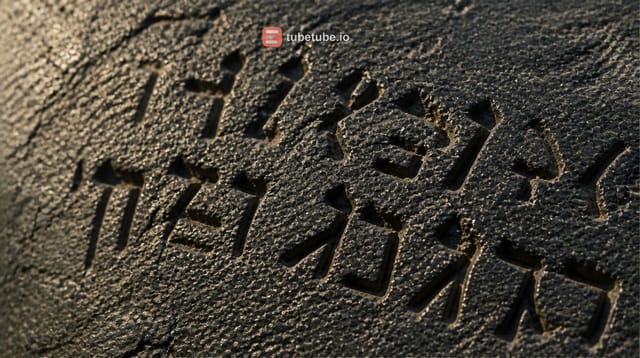
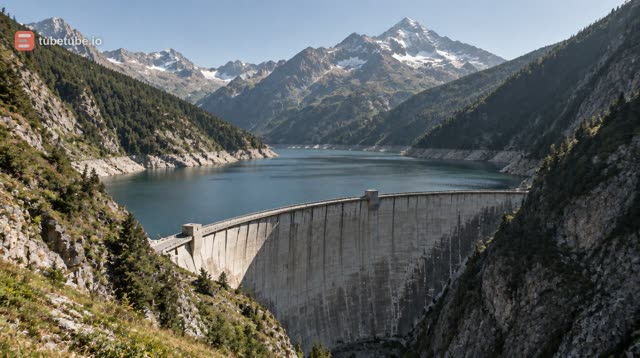
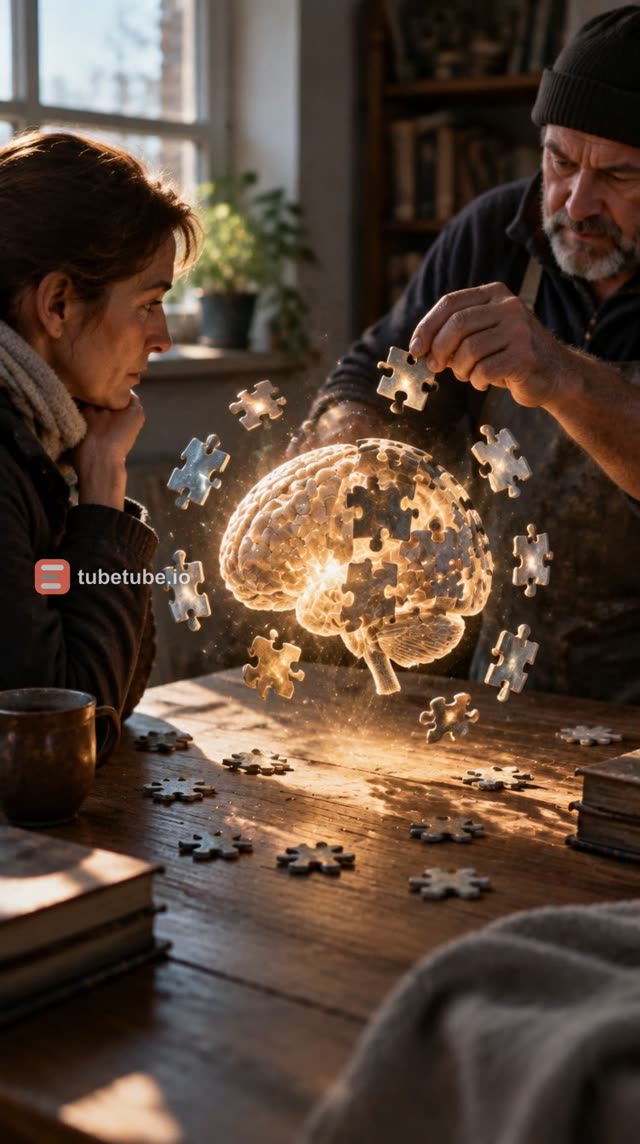
Real examples: documentary natural made with TubeTube
Finished videos from the community gallery, each with its full recipe (style, engine, voice, lyrics or script) that you can remix with your own words.



Frequently asked questions
What is an AI documentary video generator?
It turns a written script into a narrated documentary. On TubeTube you paste the script (or give a topic and let the AI draft it), pick a voice from the ElevenLabs library and a visual style, and the pipeline records the narration, cuts a storyboard to it, generates an image for every scene, animates each one and edits a finished mp4.
Will the AI get the facts right?
Not reliably. TubeTube doesn't search archives or check sources, and a language model can state a wrong date or a made-up quote with total confidence. Treat an AI-written script as a first draft, check every claim against a real source, and edit it before you generate.
Is there a free AI documentary video generator?
In most countries, new accounts get 1,000 credits at signup, valid for 7 days, with no card required; they aren't granted everywhere (in India, a one-off $4 pack of 1,000 credits replaces them). Downloads on those signup credits carry a small tubetube.io mark, and every paid plan ($22, $49, $129 or $399 per month) exports clean mp4s. There's no unlimited free plan.
How long can an AI documentary be?
When the AI writes the script, the duration picker goes up to 6-10 minutes. If you upload your own narration as an mp3 (up to 100 MB), the video follows its real length, so a longer film works if you record it yourself.
Can I make a documentary in another language?
Yes. The ElevenLabs voice library can be filtered by language, so you can narrate in the language of your audience. A narrated video can be dubbed into 24 languages, up to 5 per run.
How much does an AI documentary cost?
A 2-3 minute video costs a median 807 credits, about $9 at the base rate of $0.011 per credit; half of them cost between 685 and 1,129 credits ($7.50-12.50), measured on 246 videos in August-September 2026. The exact quote is shown before launch and unused credits are refunded. A longer documentary costs more because it has more scenes.