AI brainrot video generator
By Arsène Huot, founder of TubeTube · Published · Updated
What is an AI brainrot video generator?
You've seen the wave: impossible creatures with theme songs, shouted lore, absurd battles, content that looks like a fever dream. Brainrot plays to exactly what generative models are good at, making things that don't exist look real. A brainrot generator automates the whole loop. You describe the character and the bit, and the faceless pipeline writes the script, generates the song or narration, storyboards the scenes, animates them and edits the result into a file ready to post.
Which brainrot formats actually work?
The genre looks chaotic from outside, but the formats that build channels are surprisingly repeatable. What they share: an original recurring character and a hook you can vary for months.
| Format | What the video looks like |
|---|---|
| Character lore videos | an absurd hybrid creature gets a name, a theme song and a backstory told across scenes |
| Meme song loops | a generated earworm chant over the character doing one ridiculous thing, built for Shorts |
| Versus battles | two absurd characters face off scene by scene while the narration hypes the fight |
| Tier lists & rankings | a narrated countdown of original characters, each with its own animated intro |
| Long compilations | one long narrated video (up to about 10 minutes when the AI writes the script) that runs through your characters, for watch time |
One warning before you copy the famous characters: don't. They're other people's creations, reuploading variations is exactly the repetitive content YouTube's monetization policies target, and the trend cycle moves on fast. The channels that last invent their own creatures. With AI that costs you one prompt. And if you want to weigh brainrot against calmer niches before committing, the 13 faceless channel ideas ranked by difficulty and RPM are honest about where it sits.
The hard part is consistency, not absurdity
Anyone can generate one weird creature. The reason most brainrot channels look amateur is that their character morphs between scenes, a different beast in every shot. TubeTube generates scene images sequentially, with the most recent scenes as context, so the creature in scene 14 is the creature from scene 1. For a series, you can pin the character with up to 5 reference images and it carries over to the next episode. That's what makes lore possible, and lore is what turns a viral one-off into a subscriber base. The mechanics are detailed in AI character consistency.
Style matters too. The same character can run photoreal, claymation or soft 3D, and with 113 visual styles the whole video keeps one locked look instead of drifting shot to shot. For pure engine quality, Kling 3 handles exaggerated motion well and allows scenes up to 15 seconds, Veo 3.1 brings the cinematic sheen, and Hailuo 2.3 keeps long videos cheap. The comparison is in Kling vs Veo vs Hailuo.
The song is half the meme
Brainrot characters live and die by their chant. A creature nobody can hum is a creature nobody remembers. TubeTube composes original music with Suno V6 from lyrics you write (or lets the AI write them), so the earworm is generated with the video, and the scenes are timed to the sung words, transcribed word by word. Prefer a narrator hyping the lore instead? Pick an ElevenLabs voice, filtered by language, gender and age, and preview it first. Characters can also speak their own lines on camera in Narration + Dialogue mode: Veo 3.1 speaks 12 script languages, Kling 3 English, Chinese and Spanish, and Gemini Omni Flash English (supported by Google) and French (verified by us). And since finished videos can be dubbed into 24 languages, up to 5 at once, the same creature can rot brains in English, Spanish and Portuguese.
Shorts feed the algorithm, compilations feed you
The discovery loop runs on 9:16 Shorts: one character, one bit, one chant. But Shorts pay little per view. The channels that earn stack their episodes into 16:9 compilations where watch time accumulates and mid-rolls kick in. TubeTube is built for exactly that move, because it does long-form: script the sequence in narration mode, let the pipeline generate each segment with the character locked, and export a long video with a generated thumbnail (when the AI writes the script, the duration picker goes up to 6-10 minutes). Audience matters for revenue: if your content drifts kid-facing and is set as made for kids, YouTube doesn't serve personalized ads on it.
For real numbers on what faceless channels keep per 1,000 views, see how much faceless YouTube channels make.
The monetization fine print nobody reads
Be clear-eyed here: brainrot is the niche closest to YouTube's inauthentic-content line. The policy doesn't punish AI, it punishes repetitive template spam, and a feed of near-identical creature clips is the textbook case. What keeps channels monetized is the boring stuff. Original characters. Actual jokes or lore that change between uploads. Varied formats. And tick YouTube's AI-use disclosure when a video looks realistic, since it costs nothing when the audience already knows it's AI. Terms like RPM or made-for-kids are covered in the AI video glossary.
Is there a free AI brainrot video generator?
In most countries TubeTube starts you with 1,000 credits at signup, no card required and valid for 7 days, enough to generate real scenes and see whether your creature survives contact with the renderer (in India, a one-off $4 pack of 1,000 credits replaces them). There's no unlimited free tier after that. Plans run $22, $49, $129 and $399 per month, 10% cheaper on annual billing, one credit costs about $0.011, and the quote itemizes each video before you launch. A 2-3 minute video costs a median 807 credits, about $9 at the base rate of $0.011 per credit; half of them cost between 685 and 1,129 credits ($7.50-12.50), measured on 246 videos in August-September 2026. The exact quote is shown before launch and unused credits are refunded. Exports are clean, watermark-free mp4 files on every paid plan. Download while you're still on the signup credits and the file carries a small tubetube.io mark, but the master itself is kept in full quality without one, so a subscription later turns every download clean again, back through the videos you already made. The public community feed also lets you open someone else's video and remix its recipe, style, engine, voice and all, instead of starting from a blank prompt.
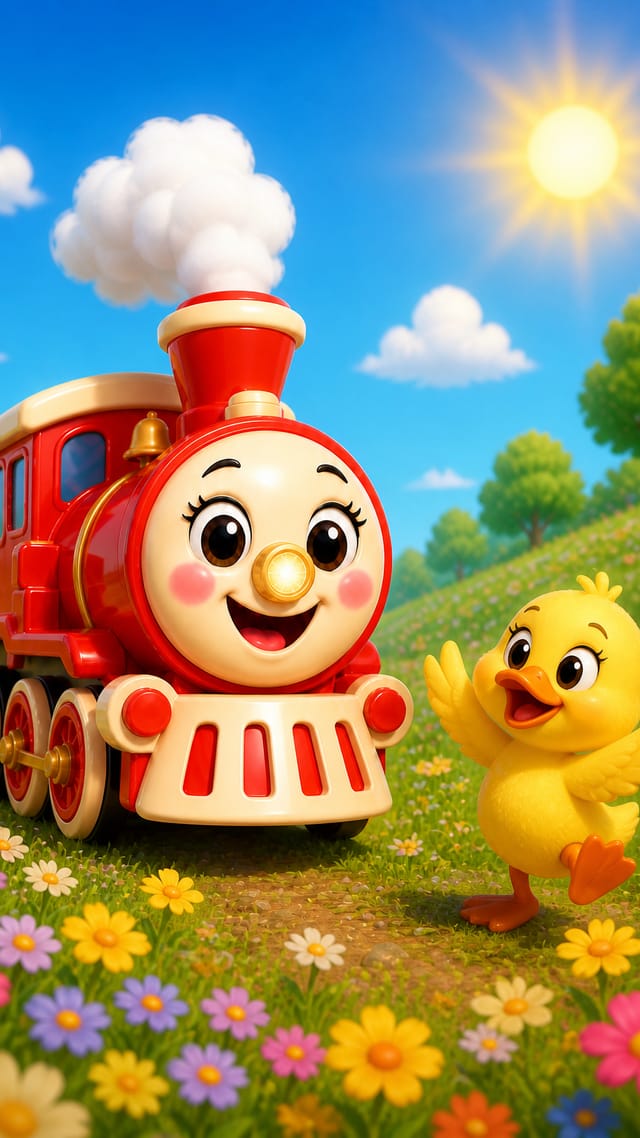
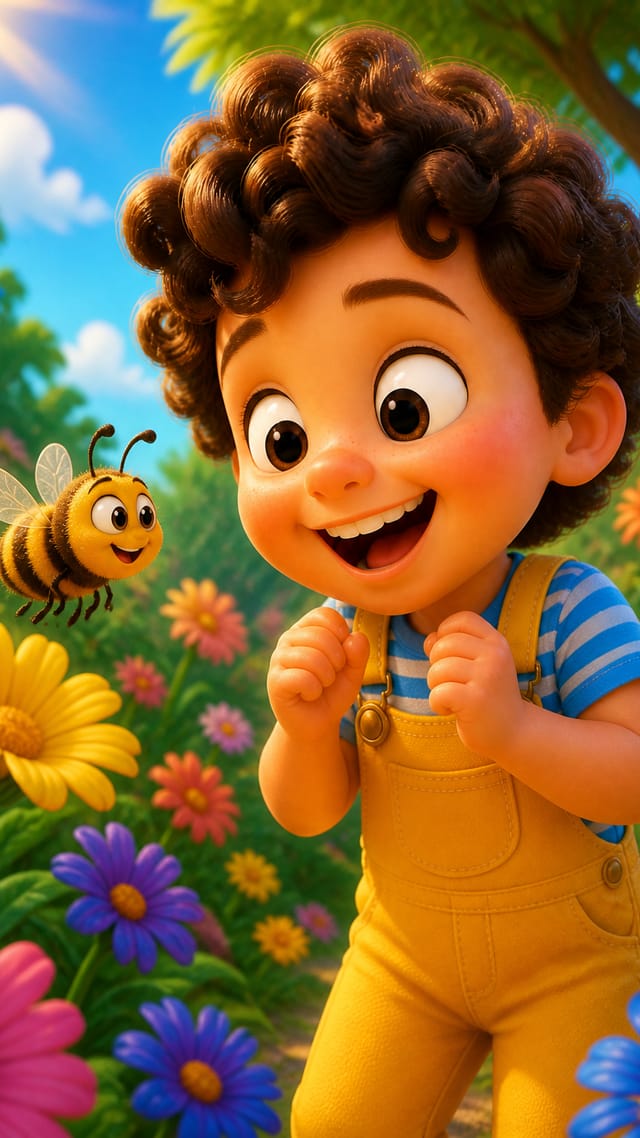
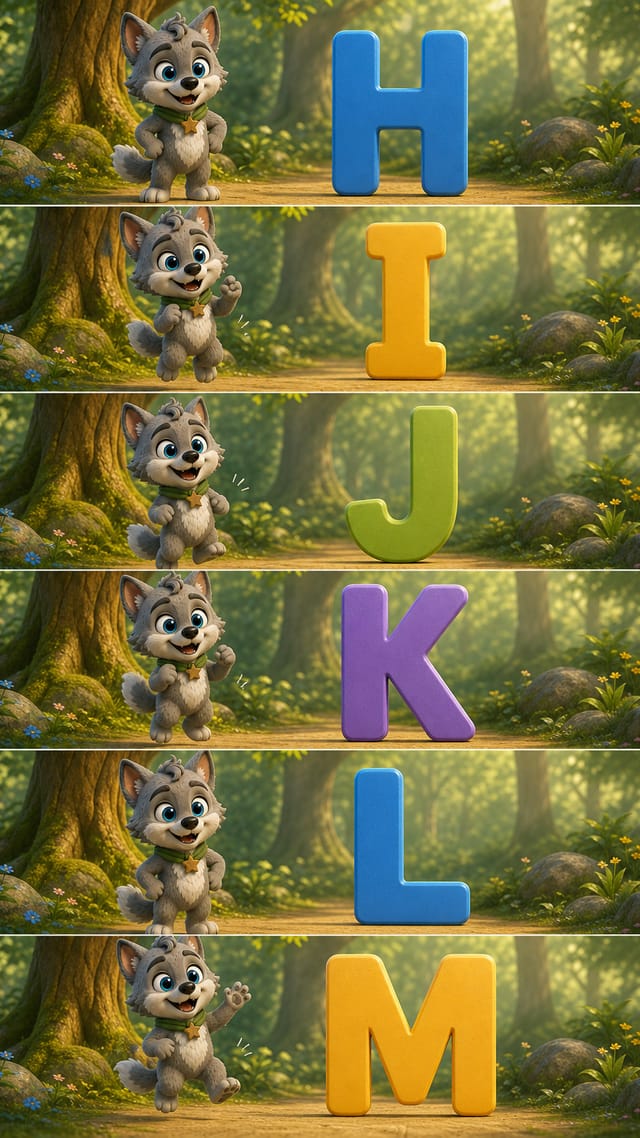
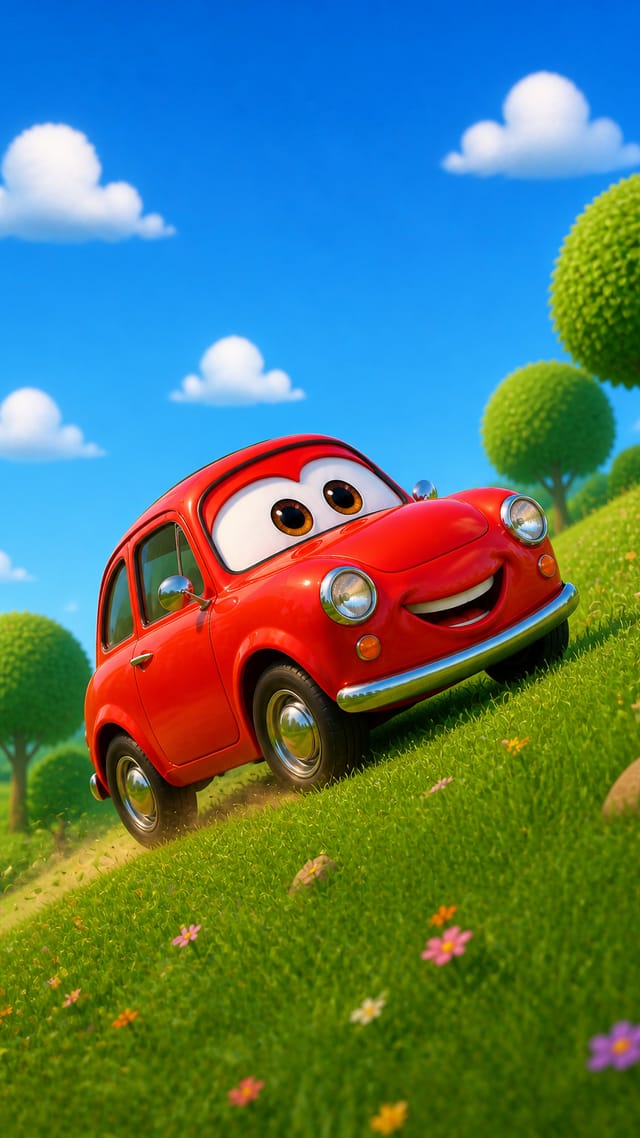
Real examples: vertical shorts made with TubeTube
Finished videos from the community gallery, each with its full recipe (style, engine, voice, lyrics or script) that you can remix with your own words.

Frequently asked questions
What is an AI brainrot video generator?
It turns an absurd idea into a finished video: an original hybrid character, a generated song or narration, animated scenes and an auto-edited export. On TubeTube the AI can draft the lyrics or script from your idea, and the character holds across scenes because images are generated one after another with the most recent scenes as context.
Can AI make the brainrot song too?
Yes. Suno V6 composes and sings an original song from your lyrics (27 credits), and the finished vocals are transcribed word by word so the scenes are timed to what's being sung. You can also use narration instead, with a voice from the ElevenLabs library, or upload your own mp3.
How do I keep the same character across every video?
Two mechanisms. Within a video, scene images are generated sequentially with prior scenes as context. Across videos, you can pin up to 5 reference images of your character, so episode 12 shows the same creature as episode 1. That's what turns a one-off clip into a channel with recurring lore.
Is there a free AI brainrot video generator?
In most countries, new accounts get 1,000 credits at signup, valid for 7 days, with no card required; they aren't granted everywhere (in India, a one-off $4 pack of 1,000 credits replaces them). There's no unlimited free tier after that: plans are $22, $49, $129 and $399 per month, 10% cheaper billed annually, and the quote shows the exact price before you launch. A 2-3 minute video costs a median 807 credits, about $9 at the base rate of $0.011 per credit; half of them cost between 685 and 1,129 credits ($7.50-12.50), measured on 246 videos in August-September 2026. The exact quote is shown before launch and unused credits are refunded. Every paid plan exports clean, watermark-free mp4s; downloads made on the signup credits carry a small tubetube.io mark, and since your master is stored in full quality without it, subscribing later makes every video you've already rendered downloadable clean.
Do brainrot videos get monetized on YouTube?
They can, but this niche sits close to YouTube's inauthentic-content policy, which targets repetitive, mass-produced videos. Original characters, actual lore or jokes, and varied uploads are what keep a channel on the right side of it; recycling the same trending characters as everyone else is exactly the repetitive pattern the policy describes.
Should I copy famous brainrot characters like the Italian ones?
No. The famous characters are recognizable creations of other people, reuploading variations of them is the kind of repetitive content YouTube's monetization policies target, and trends move on fast. Generating your own absurd hybrid takes one prompt, and it's yours: your lore, your song, your channel.