AI lullaby video maker
Published · Updated · written by a team running real multilingual faceless channels
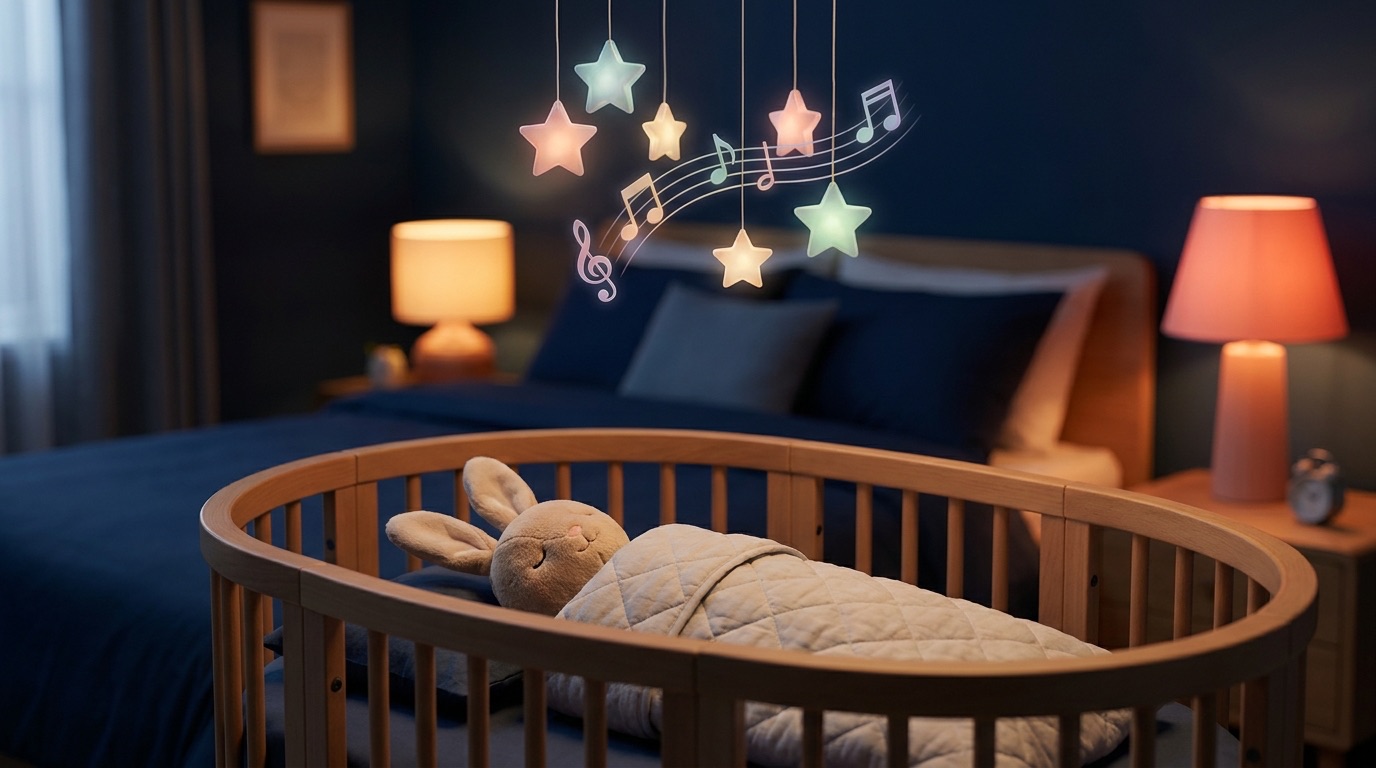
What is an AI lullaby video maker?
Think of it as a tiny lullaby studio. You hand it a few soft lines and it comes back with a finished sung lullaby for babies and toddlers, no composing or animating on your end. The job is to settle a baby, not entertain one, so everything stays gentle: a slow melody, a hushed voice, and dim, barely-moving visuals instead of the bright energy of a sing-along. Parents tend to reach for these at naptime and bedtime. Want something upbeat to sing along to instead? That's a different tool, the AI kids song video generator.
How do you make a lullaby video with AI?
Four gentle steps take you from a few soft lines to a finished, loopable lullaby:
1. Write or AI-write the lullaby lyrics
A lullaby lives or dies on its words being soft and repetitive. Write gentle lyrics yourself or let the AI draft them, short lines, a recurring refrain, calming imagery like stars, moonlight, soft animals and sleep. Keep it short. Around 2,000 characters of lyrics makes roughly a 3-minute lullaby, which is plenty for a nursery loop.
2. Let Suno sing it as a slow, gentle melody
This is a music-mode video, so the lyrics become a sung track via Suno, not a spoken narration. Ask for a slow tempo, a soft, warm vocal and a simple repeating melody. The finished song's timing becomes the spine of the video, so it's generated before any visuals and every scene is cut to its pace.
3. Generate soft, looping nighttime visuals
Pick a calm visual style from the 113 in the catalogue, a sleepy nursery, a starry sky, a drowsy animal, then generate one image every few seconds. Scenes are built sequentially using earlier scenes as context (up to 5 reference images) so the same teddy, the same room and the same palette carry through the whole loop.
4. Animate gently and auto-edit into a loop
Each still is animated with barely-there motion (a drifting cloud, a slow twinkle) using an engine like Kling 2.6 Pro at 720p or 1080p. Fast cuts would defeat the point. The clips are auto-edited to the song's timing into a seamless, soothing loop, with optional soft background sounds underneath.
The whole sing-and-render pass happens in one run on TubeTube. If you want a calm spoken story for sleep instead of a sung one, see the AI bedtime story video generator.
What makes a lullaby work for babies?
A lullaby soothes through predictability, not novelty. The things that actually settle an infant are narrow and worth getting right:
- Slow tempo. A drowsy, unhurried pace close to a resting heartbeat, never anything bouncy.
- Repetition. A short melody and a recurring refrain that comes back again and again, so there are no surprises to wake them.
- A calm palette. Dim blues, soft warm light and muted tones on screen, with barely-there motion instead of cuts and action.
- Soft dynamics. A hushed vocal and gentle background sounds that stay even, with nothing that suddenly gets loud or busy.
Can a lullaby be sung in multiple languages?
Yes, and for a sleep channel that's where the reach comes from. Once a lullaby video is finished you can dub it into 24 languages, 5 at a time, billed per minute per language, and any language that fails to generate is automatically refunded. The dub keeps the same slow melody and tempo, so the lullaby that settles babies in one language does the same across German, Spanish, Portuguese and other nursery audiences from a single original.
How are the visuals kept gentle and consistent?
Pick one of the 113 visual styles that suits a nighttime loop, then scenes are generated sequentially, using earlier scenes as context (up to 5 reference images), so the same teddy bear, the same dim nursery and the same soft palette stay put across the whole video. That consistency is what stops a sleep loop from feeling jarring. Here's how character consistency works across scenes. If a scene comes back wrong, the pipeline retries with an adjusted prompt and falls back gracefully, all shown in a generation report.
Do lullaby channels make money?
They can, but you should go in with eyes open: lullaby and sleep content has a very low RPM. The audience is young and made-for-kids, which limits ads, so what you keep per 1,000 views sits at the bottom of the scale. The model that works is huge scale and very long watch time, a single looping lullaby can play for a whole nap, racking up enormous view counts that partly make up for the low pay per view. Your real number swings hugely by audience country. See real revenue by country and niche before you commit to the niche.
For brighter daytime formats on the same channel, look at the AI fairy tale video generator and the AI educational kids video generator.
Real examples: lullabies made with TubeTube
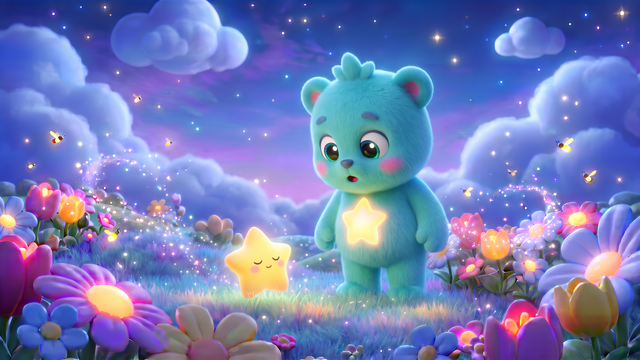
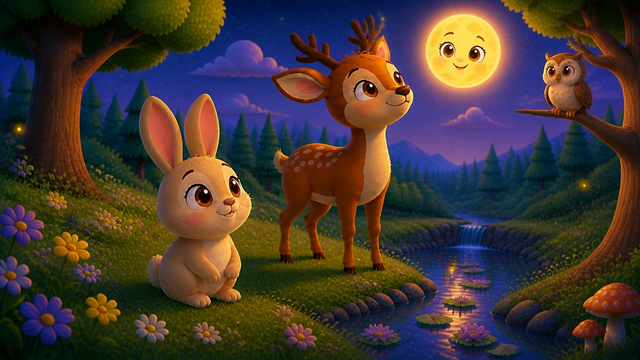
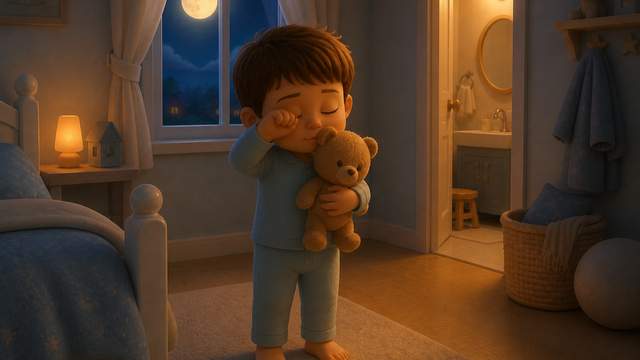
Finished videos from the community gallery, each with its full recipe (style, engine, voice, lyrics or script) that you can remix with your own words.

Frequently asked questions
What is an AI lullaby video maker?
It takes gentle lyrics and turns them into a sung lullaby paired with soft, looping nighttime visuals, fully automatically. On TubeTube you write or AI-write calming lyrics, Suno sings them as a slow melody, and consistent, sleepy scenes are generated and auto-edited to that song's timing into a finished video.
Are these lullabies sung or just spoken?
Sung. A lullaby video uses music mode, so the lyrics are turned into an actual sung track by Suno with a slow tempo and a soft vocal, not a spoken narration. If you want a calm spoken story for sleep instead, that's a bedtime story video rather than a lullaby.
What makes a lullaby actually work for babies?
A slow tempo, a repeating melody and refrain, soft dynamics, and a calm visual palette. Repetition and predictability are what soothe babies and toddlers, so a good AI lullaby keeps the words simple, the melody gentle, and the visuals dim and slow rather than bright and busy.
Can the same lullaby be sung in another language?
Yes. Once a lullaby video is finished you can dub it into up to 5 languages, billed per minute per language, and any language that fails to generate is refunded. That lets one melody reach German, Spanish, Portuguese and more nursery audiences from a single original.
Do lullaby and sleep channels make money?
They can, but the RPM is very low. Sleep and nursery content sits at the bottom of the RPM scale because of a young, made-for-kids audience and limited ads, so the model is huge scale and very long watch time rather than high pay per view. See the real revenue page for measured numbers.
How long should a lullaby video be?
A sung run lasts between 1 and 5 minutes, and about 2,000 characters of lyrics makes roughly 3 minutes. For a sleep channel, the usual play is to publish several lullabies and let a playlist carry the nap or the night rather than to make one enormous file.