AI music video generator: turn a song or lyrics into a video
Published · Updated · written by a maker running real multilingual faceless music and story channels
What is an AI music video generator?
An AI music video generator turns a song, or just a set of lyrics, into a finished multi-scene video on its own. You hand it words or an audio file and it writes the music, builds a storyboard timed to the song, generates one consistent image per scene, animates each one, and assembles the final cut. TubeTube does the whole thing in a single run, so a page of lyrics becomes a watchable video without a camera, a timeline or an editing suite.
How do you turn a song into a music video with AI?
There are three ways to start, depending on what you already have:
1. Write lyrics and let Suno sing them
Type the words you want and Suno composes the music and sings them for you. You get an original track and a video built around it in the same run. This is the fastest path if you only have an idea and some lyrics, with no recording, no instruments and no studio.
2. Upload your own mp3
Already have a song? Upload your own mp3 and TubeTube builds the visuals around it. The audio is left untouched, and every scene is timed to your existing track so the cut lands on the music you already made.
3. Upload a track and request a sung cover
Upload a track and ask for a sung cover. A cover can be refused for copyright reasons, and if that happens nothing is charged beyond what was actually produced. The credit ledger refunds unused holds, so a declined cover never leaves you out of pocket for work that did not run.
Whichever input you pick, the rest is automatic: TubeTube transcribes the audio word by word, storyboards a scene every few seconds, generates a consistent image per scene, animates each one with a video engine, assembles the edit, adds optional background sounds, and outputs the final video. It is the same end-to-end production you would use to make faceless YouTube videos with AI. The same music mode also powers calmer formats: chill loops with the AI lofi music video generator, or narrated tales rather than songs with story to video.
Can you turn a Suno song or any mp3 into a video?
Yes. If you write lyrics, Suno composes and sings the track and TubeTube builds the video around it. If you already own a song, you can upload your own mp3 and the tool builds the visuals around your existing audio without changing it. You can also upload a track and request a sung cover.
Does it sync the visuals to the lyrics and beat?
Yes. The audio is transcribed and analysed word by word, so scene changes land on the song's phrasing instead of on a fixed timer. The storyboard places one scene every few seconds against that timing, and the final edit follows the real structure of the track. The result is a video that cuts with the music rather than drifting against it.
To keep the same character and world across every scene, images are generated sequentially with the previous scenes as context, with up to 5 pinned reference images. If a step goes wrong, TubeTube retries with adjusted prompts, falls back gracefully, and shows everything in a transparency report. Here is how AI character consistency works across scenes.
Which video engines and styles can you choose?
You choose the video engine and resolution per project, out of 16 engine presets. Kling 2.6 Pro is the default, with Kling 2.5, Kling 3, Google Veo 3.1, Seedance 2 and Hailuo 2.3 also available, in 720p or 1080p (Hailuo renders 768p). There are 113 visual styles in the catalogue to set the look of your video, from playful and animated to cinematic, and you can type your own instead.
- Default motion. Kling 2.6 Pro for reliable, high-quality animation out of the box.
- Premium options. Kling 3 and Google Veo 3.1 when you want more cinematic movement.
- Value option. Hailuo 2.3 to stretch credits further on longer videos.
- Resolution. 720p or 1080p, whichever fits the platform you publish to.

For a side-by-side on engines and why these models matter for longer videos, see the best AI long-form video generator comparison.
How much does an AI music video cost?
Pricing is credit-based, at about $0.011 per credit as of 2026. A typical 2-3 minute music video runs roughly 800-1,400 credits, and plans run $11, $49, $129 and $399 per month, with 10% off if you pay annually. There is no permanent free plan and no public API yet.
Real examples: music videos made with TubeTube
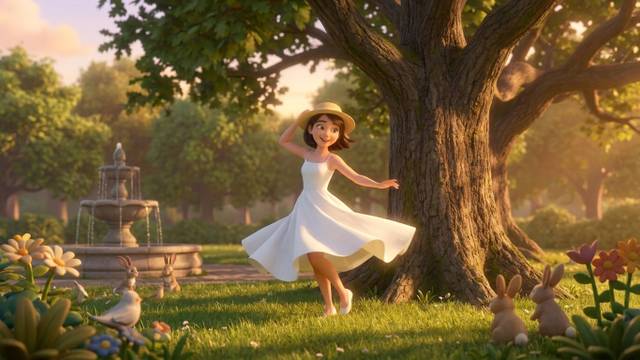
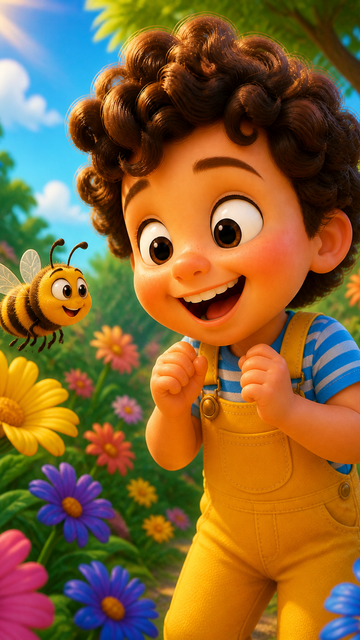
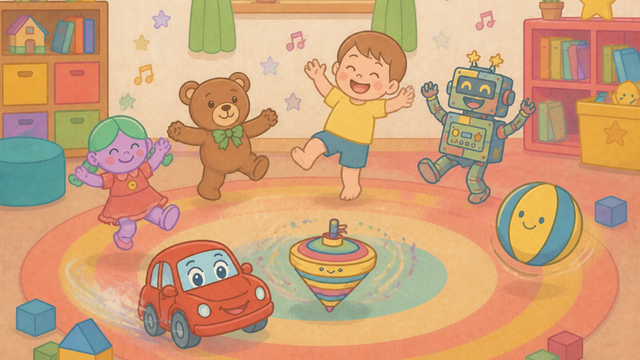
Finished videos from the community gallery, each with its full recipe (style, engine, voice, lyrics or script) that you can remix with your own words.



Frequently asked questions
What is an AI music video generator?
It turns a song or a page of lyrics into a finished video automatically. TubeTube takes your words or your mp3, builds a scene every few seconds, generates a consistent image per scene, animates each one with a video engine, and assembles the final cut, all in a single run.
Can I turn a Suno song or any mp3 into a video?
Yes. Write lyrics and Suno composes and sings them, or upload an mp3 you already own and TubeTube builds the visuals around it. You can also upload a track and request a sung cover. A cover may be refused for copyright, and if so nothing is charged beyond what was produced.
Does it sync the visuals to the lyrics and the beat?
Yes. The audio is transcribed and analysed word by word, so scene changes land on the song's phrasing rather than on a fixed timer. The storyboard places one scene every few seconds and the edit follows the actual timing of the track.
How long a video does my lyrics make?
Roughly 2,000 characters of text makes about a 3-minute video. Longer lyrics simply produce more scenes. The audio is the spine, so the length of the song decides how many scenes get generated and how long the final video runs.
Which video engines and resolutions can I use?
Kling 2.6 Pro is the default, with Kling 2.5, Kling 3, Google Veo 3.1, Seedance 2 and Hailuo 2.3 also available, in 720p or 1080p (Hailuo renders 768p). You pick the engine per project, out of 16 presets, and there are 113 visual styles in the catalogue.
Is this a song to video or a music to video generator?
Both describe the same thing, and yes. A song to video AI takes a finished track and generates the video for it, which is exactly what upload mode does with your mp3. As a music to video generator it also works from nothing but written lyrics, composing the song first with Suno and then building the synced visuals around it.
How much does an AI music video cost?
Pricing is credit-based at about $0.011 per credit as of 2026. A 2-3 minute music video runs roughly 800-1,400 credits. Plans run $11, $49, $129 and $399 per month, with 10% off annual billing. The ledger is transparent and refunds unused holds. See the site for current pricing.
TubeTube is built by the same maker who runs real multilingual faceless channels of kids songs and stories on this exact pipeline, so the music-video flow is the one used in production, not a demo.