AI fairy tale video generator
Published · Updated · written by a founder running real multilingual faceless kids channels
What is an AI fairy tale video generator?
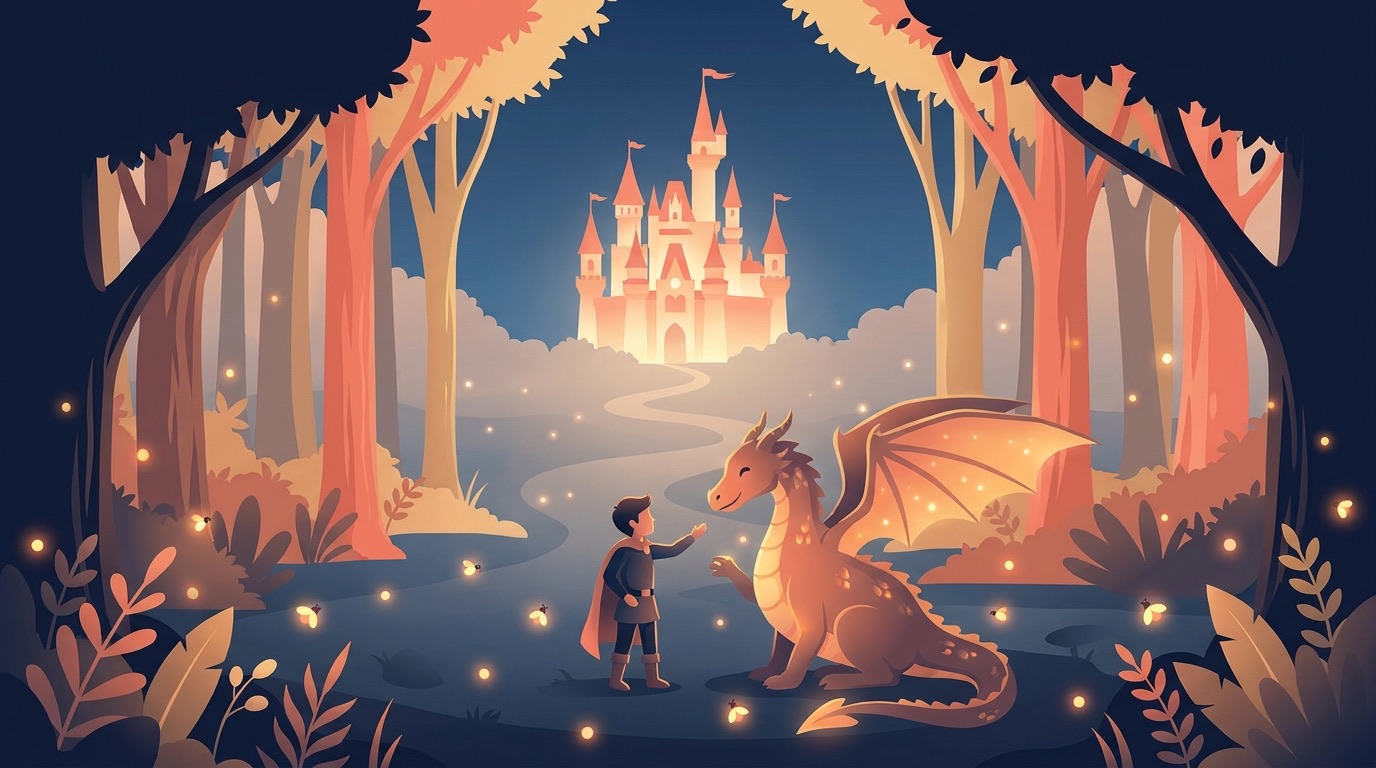
Give it a fairy tale, the kind built on public-domain bones, princes and princesses, dragons and talking woods, a wish granted three times, and it hands back a finished narrated video with no filming or drawing on your part. TubeTube writes or takes your narration, reads it aloud, splits it into scenes, illustrates each one, animates them, and assembles the cut. Same backbone as our guide to faceless videos, just tuned for the slower, illustrated rhythm a fairy tale wants.
How do you turn a fairy tale into a video?
The order is narration first, magic second. Roughly 2,000 characters of tale makes about a 3-minute video, and the audio timing decides how long every scene plays.
- Write or paste the tale. A short, narrated story works best. “Once upon a time” energy, a clear hero, a problem, a happy ending.
- Pick the narrator. Choose an ElevenLabs voice (filter by language, gender and age, and preview), a warm, slightly theatrical read suits bedtime fairy tales.
- Auto storyboard. The narration is timed word by word and cut into a scene every few seconds, one painting per beat of the story.
- Illustrate and animate. Each scene becomes a magical image, then a moving shot (Kling 2.6 Pro by default, or Veo 3.1 / Hailuo, at 720p or 1080p).
- Auto-edit and add ambience. Clips are stitched to the narration and you can layer soft background sound under the voice.
If you already have the words written down, story to video walks through the same narration-to-scenes flow.
Which visual styles suit fairy tales?
Fairy tales live or die on their look. TubeTube ships 113 visual styles, and these are the ones that feel like an illustrated tale rather than a generic AI render. Choose one and hold it across the whole video:
| Style | Why it fits a fairy tale |
|---|---|
| Classic storybook | ink-and-gouache plates, the look of an old illustrated tales collection |
| Soft watercolor | gentle washes for forests, castles and meadows, easy on young eyes |
| Pixar-like 3D | rounded, glossy characters for a modern animated-film feel |
| Golden-age fairy book | ornate, jewel-toned plates, dragons and thrones rendered rich |
A consistent storybook palette also reads as “made with care” rather than mass output, which matters for staying monetizable. For neighbouring soothing formats, see the AI bedtime story video generator.
How do you keep the prince or princess consistent across scenes?
This is the make-or-break of a fairy tale video. A single hero, your princess, your young prince, your dragon, recurs across dozens of scenes, so any drift in their face, gown, crown or scale colour instantly looks cheap and breaks the spell. TubeTube generates scenes in sequence, feeding the earlier scenes back as context, and lets you pin up to 5 reference images so the hero stays the same from the tower to the ballroom to the forest. If a scene drifts, the pipeline retries with an adjusted prompt and falls back gracefully, all shown in a generation report. The full method is in how to keep AI characters consistent.
Can a fairy tale be told in several languages?
Yes, and for fairy tales it's a multiplier. Fairy tales are universal, the same prince and dragon work in any language, so once your video is finished you can dub it into 24 languages, 5 at a time from the one production. Dubbing is billed per minute per language, and if a language fails to render it's refunded.
One tale becomes a French, Spanish, German, Portuguese and English video, ideal for running a set of kids channels off a single recording session. It's the same approach used for AI kids song videos.
Are AI fairy tale channels monetizable?
They can be, with a caveat. Most fairy tale content is made-for-kids, which limits personalised ads under COPPA and pushes the RPM into the low-to-mid range, well below finance or tech. Earnings then swing hugely with audience country. The volume can be large, though, and originality keeps you eligible:
- Fairy tales lean on public-domain source material (Cinderella, Hansel and Gretel, the Brothers Grimm), so you have unlimited safe stories with no licensing or copyright-claim risk, unlike trend-chasing niches.
- They are evergreen: searches like “Cinderella story for kids” recur every year, so a single well-made tale keeps earning long after upload instead of spiking and dying like trend content.
- Mark your videos made-for-kids and disclose realistic AI content in YouTube's tools.
- Keep tales original and varied, template spam is what risks demonetization, not AI itself.
- Lean on watch time, a well-paced illustrated tale holds young viewers longer than a slideshow.
For measured numbers, including why a low CPM country can collapse to a tiny RPM, see how much faceless YouTube channels make.
Neighbouring kids formats on the same pipeline: the AI educational kids video generator for ABC and counting lessons, and the AI lullaby video maker for sung sleep loops.
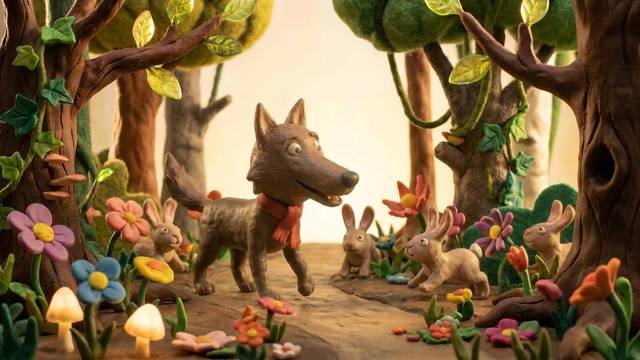
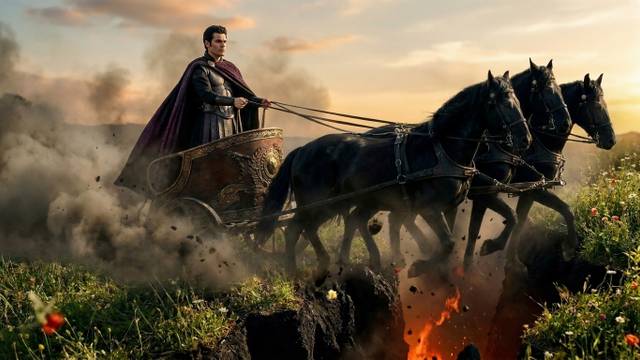
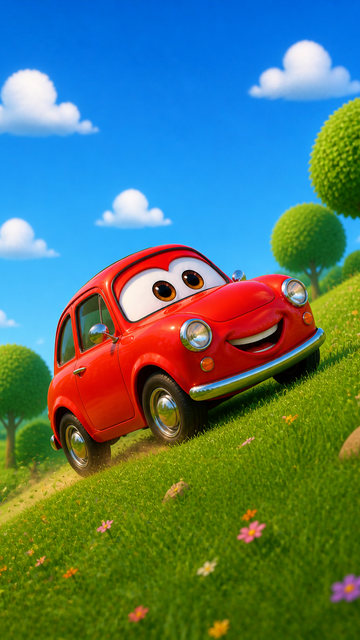
Real examples: narrated stories made with TubeTube
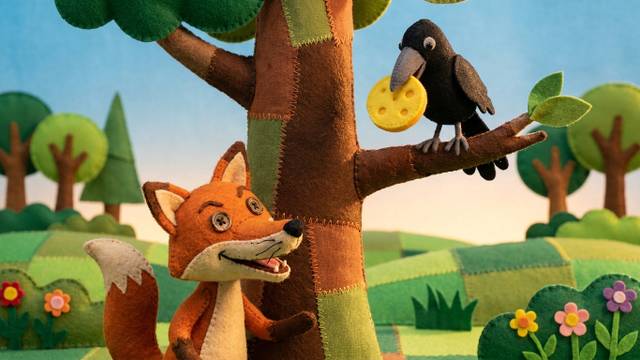
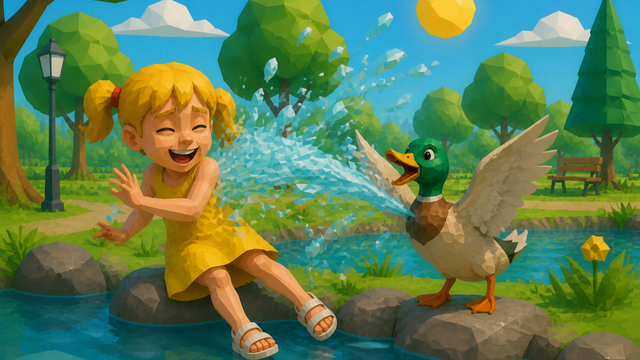
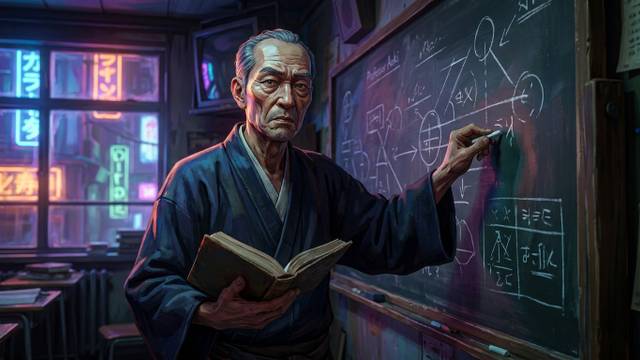
Finished videos from the community gallery, each with its full recipe (style, engine, voice, lyrics or script) that you can remix with your own words.
Frequently asked questions
What is an AI fairy tale video generator?
It turns a written fairy tale into a finished narrated, illustrated video. You give it a tale (a prince, a dragon, an enchanted forest) and it writes or takes the narration, reads it in an AI voice, breaks it into scenes, illustrates each one in a magical storybook style, animates them, and edits the whole thing into one video.
Does it use narration or music?
Fairy tales are narration-led. TubeTube reads your tale with an ElevenLabs voice you pick (filter by language, gender and age, and preview before you commit), then times every scene to that narration. You can layer gentle background sounds (a crackling hearth, wind in the trees) under the voice, but the spine is the spoken story, not a sung track.
Which visual styles work best for fairy tales?
Storybook ink, soft watercolor and Pixar-like 3D are the natural fits, and TubeTube ships 113 styles so you can match the mood of the tale. Pick one style and keep it across every scene so the video reads like a single illustrated book rather than a pile of unrelated images.
How do you keep the prince or princess looking the same across scenes?
TubeTube generates scenes in sequence, feeding earlier scenes back as context and letting you pin up to 5 reference images. So the princess's face, gown and hair stay the same whether she's in the tower at scene 3 or the ballroom at scene 40. Consistency matters more here than almost any niche because a single hero recurs across dozens of scenes.
Can the same fairy tale be told in several languages?
Yes. Once your tale is finished you can dub it into up to 5 languages, billed per minute per language, and any language that fails is refunded. That means one production of a tale can become a French, Spanish, German, Portuguese and English video for separate channels or playlists.
Are AI fairy tale channels monetizable on YouTube?
They can be, but most fairy tale content is made-for-kids, which limits ads under COPPA and tends to give a low-to-mid RPM. Earnings swing hugely by audience country. Original, consistent illustrated tales (not template spam) stay eligible, and you should mark made-for-kids and disclose AI content in YouTube's tools.