Why Koreans Ask "Have You Eaten?" | The Hidden Meaning in K-Dramas
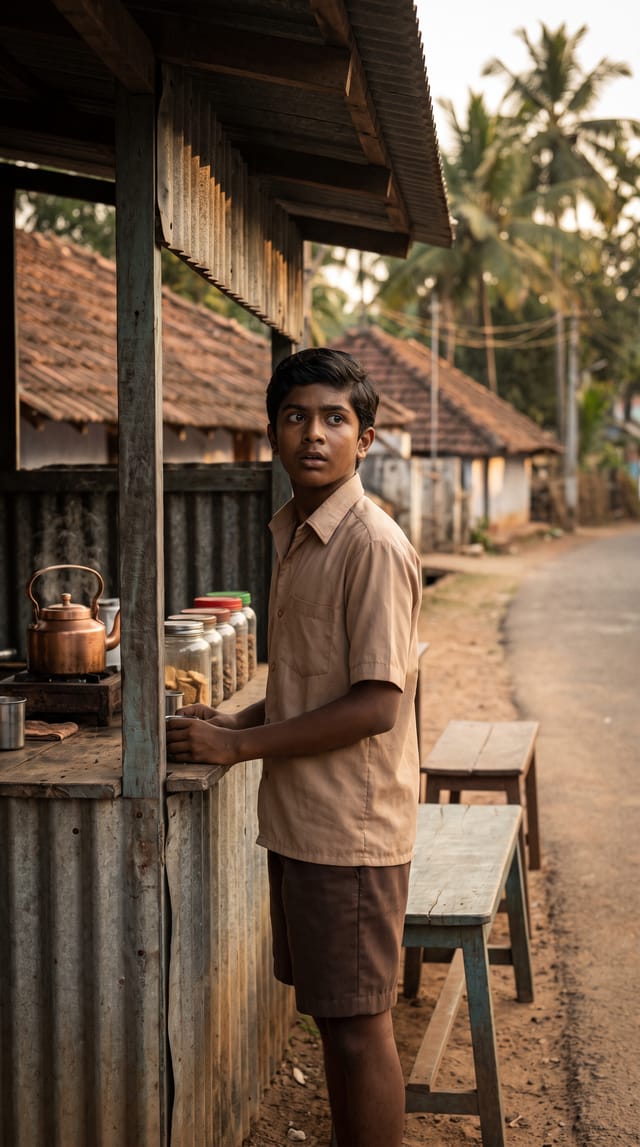
Why Koreans Ask "Have You Eaten?" | The Hidden Meaning in K-Dramas is an AI-narrated story video made with TubeTube in the Photorealistic film visual style, 2:03 long across 21 scenes. Scene images were generated with GPT Image 2.5 · Low and animated with Hailuo 2.3 · 768p, narrated by the "Lily - Australian Female in her 40's" voice. The full recipe below is remixable: reuse the same style and settings with your own words.
Scenes 21 frames
All 21 frames
The story as narrated
It's almost ten at night in Seoul. Jiyoon walks out of her office after a long and exhausting day. Her shoulders are tired, and she has barely looked at her phone. Then a message arrives from Minho. "Have you eaten?" Jiyoon stops walking. She reads the message and smiles. Just four simple words. But why would such an ordinary question make someone feel cared for? If you watch Korean dramas, you've probably heard this question many times. In Korean, people often ask, "밥 먹었어?" It literally means, "Have you eaten?" But depending on the relationship and situation, it can mean much more. Think about a mother calling her adult son after a difficult day. Instead of beginning with an emotional speech, she may simply ask whether he has eaten. Or imagine someone noticing that a friend has been working late. Asking about dinner can be a gentle way of checking on them. Food has long been connected with care, family and hospitality in Korean life. That doesn't mean every question about food is a secret declaration of love. Sometimes, people really are just asking about dinner! The meaning depends on who is speaking, how they say it, and what happens next. And that's what makes Korean dramas so interesting. A subtitle can translate the words perfectly, while some of the feeling behind them remains difficult to explain. Back on the street, Jiyoon replies to Minho. "Not yet." A moment later, another message arrives. "Then let's eat together." Now the real meaning of that first question feels a little clearer. The next time you watch a Korean drama, pay attention to the small everyday expressions. Sometimes, the most important part of the conversation isn't what the subtitles say. It's what the characters understand. Discover more about Korean culture and the hidden meaning behind K-drama subtitles through the link in the description.
The prompts copy anything
Recipe
Made with TubeTube's story to video generator.