DE QUE LADO VOCÊ TÁ ?
DE QUE LADO VOCÊ TÁ ? is an AI-narrated story video made with TubeTube in the Photorealistic film visual style, 3:33 long across 21 scenes. Scene images were generated with GPT Image 2.5 · Low and animated with Hailuo 2.3 · 768p. The full recipe below is remixable: reuse the same style and settings with your own words.
Scenes 21 frames
All 21 frames
The story as narrated
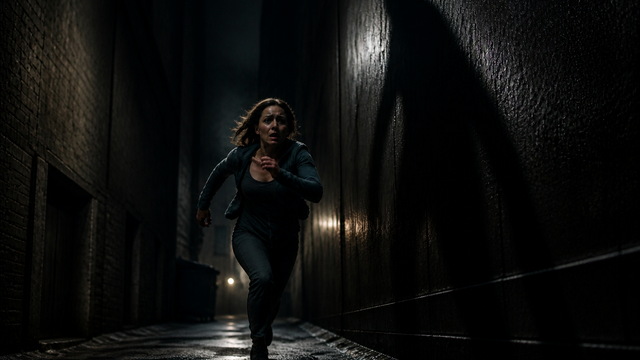
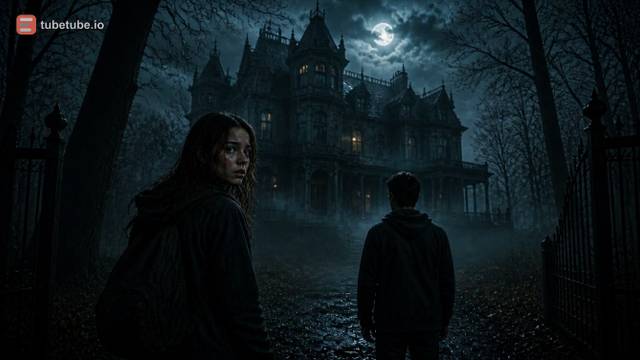
Create a complete 3 minute and 22 second vertical music video for Instagram Reels, aspect ratio 9:16, resolution 1080x1920, using the uploaded original audio as the soundtrack. Song title: "DE QUE LADO VOCÊ TÁ?" Authors: Junior Carvalho, Bernardo Neto and Rafael Garcez. Create ONE continuous cinematic visual story synchronized with the uploaded song. Do not create random unrelated clips. IMPORTANT: This is a vertical Instagram Reel. Compose every shot specifically for 9:16 portrait format. Keep faces, characters and important visual elements in the central safe area of the frame. Never place important subjects at the extreme edges or bottom of the screen. VISUAL STYLE: Photorealistic Brazilian cinema, contemporary Brazilian social drama, documentary realism, sophisticated 35mm cinematic photography, realistic Brazilian people, natural skin texture, realistic facial expressions, realistic Brazilian streets, apartments, public transportation and workplaces, dramatic natural lighting, subtle film grain, sophisticated camera movement. The main character is an ordinary Brazilian working-class man around 40 years old, medium build, short dark hair with some gray, short beard, brown eyes, wearing a simple dark blue work shirt and dark jeans. Maintain the same character and physical appearance throughout the story whenever he appears. BEGINNING: Before sunrise, the man wakes up in a modest Brazilian apartment. His smartphone vibrates. He looks at the screen. He gets ready for work and leaves home. Show Brazilian workers beginning their day. Illustrate the lyrics about society lacking attitude, hypocrisy and people complaining about problems while refusing to recognize their own responsibility. Show realistic everyday situations: someone throwing garbage into the street, someone cutting a queue, someone trying to gain an unfair advantage, small dishonest actions and people complaining about corruption while practicing everyday dishonesty themselves. The main character travels on a crowded Brazilian bus. He looks through the window and watches real life happening outside. When the song says that life happens in the streets, show Brazilian workers: construction workers, teachers, nurses, delivery workers, shopkeepers, public employees and families struggling and working honestly. When the lyrics talk about complaining from the sofa, show the main character at home watching television. He becomes frustrated with the news but remains sitting and passive. Slowly reveal many apartment windows across the city. In each window, ordinary people are watching television and complaining. When the lyrics question what example people give their children, show the main character with his young son. The child watches his father's behavior. The father realizes that his son is learning from his actions. FIRST CHORUS: When the song asks "E de que lado você tá?", create a powerful vertical cinematic shot of a large diverse crowd of ordinary Brazilian people walking toward the camera through a major Brazilian city. Workers, students, families, elderly people and young people. No political parties, no candidates, no campaign material. The crowd must feel like ordinary Brazilian society. The question should feel directed toward the viewer. Then return to darker images of everyday corruption: hidden schemes, envelopes changing hands, people seeking favors, dishonesty and people trying to gain advantages. Never show identifiable politicians. TRANSFORMATION: When the lyrics say "Aja correto, faça o correto, seja correto na vida", transform the visual atmosphere. The main character begins making honest choices. He returns something that does not belong to him, helps another person, respects others and refuses an unfair advantage. Show his son observing these actions. This time the child smiles with admiration. Gradually introduce warmer natural light. SECOND CHORUS: Show the Brazilian crowd becoming larger and more united. Then dramatically change the atmosphere when the lyrics talk about hatred, blindness, deafness, bridges being destroyed and walls being built. Show two groups of ordinary Brazilian citizens divided by anger and polarization. They shout at each other and refuse to listen. Do not identify political parties or ideological groups. For "Derrubam pontes, constroem muros", create a powerful cinematic metaphor: a huge concrete wall rises between the people. The wall separates families, friends and ordinary citizens. Then, when the song says "Porque eles sabem... somos muitos", the wall begins to crack. One person reaches through the opening and extends a hand to someone on the other side. Others follow. People from both sides begin joining together. The wall collapses. FINAL SECTION — BRASÍLIA: When the lyrics say "Que o problema é o Sistema", CUT TO BRASÍLIA, BRAZIL. Create a dramatic vertical aerial shot of Brasília at dusk. Show the National Congress and the monumental architecture of the Esplanade of Ministries. Make Brasília look imposing, distant and institutional, not like a tourist postcard. Use a vertical composition where the National Congress remains clearly visible in the center of the frame. Slowly move the camera toward the National Congress. Do not show politicians, candidates, political party symbols or campaign material. When the song repeats "O PROBLEMA É O SISTEMA", make the architecture of Brasília visually represent a huge institutional system: monumental buildings, corridors, windows, doors and geometric structures creating the feeling of an enormous complex system. Then slowly pull the camera away from Brasília. Make Brasília become smaller and smaller. Reveal the enormous Brazilian landscape beyond the capital. The visual message is that the system is larger than one person or one political group. For "QUE SÓ MUDA SE VOCÊ MUDAR", return visually to ordinary Brazilian people in the streets. Show the main character looking directly toward the camera. FINAL MOMENT: When the final words "E DE QUE LADO VOCÊ TÁ?" are sung, show a dramatic vertical shot combining the Brazilian people and Brasília in the distance. The question must feel directly addressed to the person watching the Reel. Then CUT TO BLACK. Display only: "E DE QUE LADO VOCÊ TÁ?" Then: "JÚNIOR CARVALHO • BERNARDO NETO • RAFAEL GARCEZ" End exactly with the final question. OVERALL REQUIREMENTS: Vertical 9:16 Instagram Reel. 1080x1920 composition. Keep important faces and objects in the central safe area. Photorealistic Brazilian cinema. Contemporary social drama. Documentary realism. Realistic Brazilian locations. Natural skin texture. Realistic facial expressions. Cinematic 35mm photography. Subtle film grain. Natural and dramatic lighting. Cold and muted colors during the beginning and conflict. Gradually warmer and more hopeful lighting toward the end. Epic but realistic Brasília imagery. Strong visual continuity. Same protagonist throughout the story. No cartoon. No anime. No fantasy. No futuristic city. No exaggerated CGI. No American-looking city. No identifiable politicians. No political party logos. No campaign material. No propaganda. No random text. No subtitles throughout the video. No unnecessary text. No watermark added by the creative direction.
The prompts copy anything
Recipe
Made with TubeTube's story to video generator.